

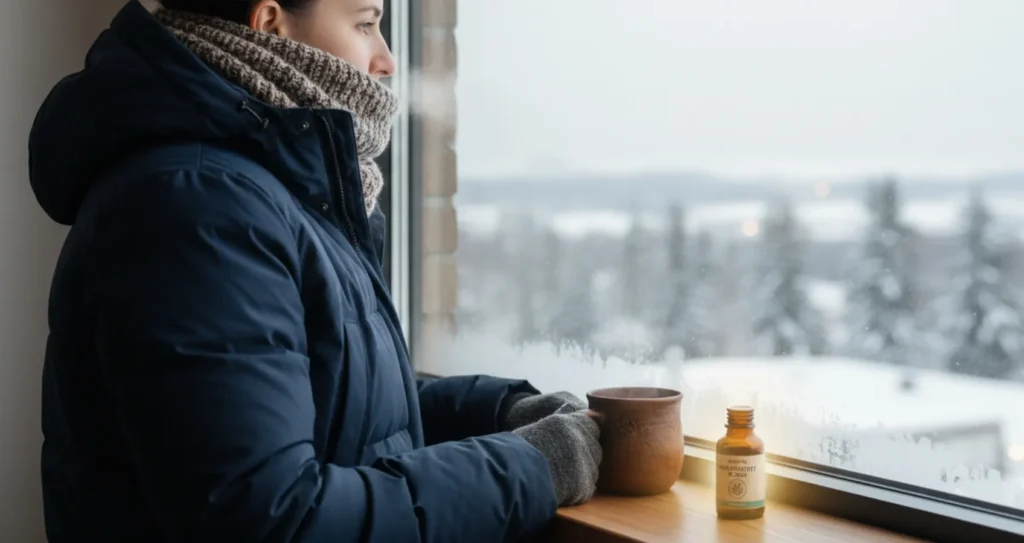
Catching a cold in winter is often unavoidable due to several factors. Cold weather constricts blood vessels, impairing the delivery of immune cells. Combined with dry air, this weakens the first line of defense against pathogens. Additionally, winter encourages indoor gatherings, which facilitate closer contact and increased virus transmission. Understanding these dynamics can help individuals take preventative measures to fortify their health in cold months. More insights on protecting against winter illnesses are available.
The Impact of Cold Weather on Our Immune System
As temperatures drop during the winter months, the human immune system faces several challenges that can increase susceptibility to illness. Cold weather can constrict blood vessels, reducing circulation and impairing the delivery of essential immune cells. Additionally, lower humidity levels often lead to dry mucous membranes, diminishing the body’s first line of defense against pathogens. Research indicates that colder temperatures may also weaken the activity of certain immune cells, hindering their ability to respond effectively to viral infections. Moreover, decreased sunlight exposure can lead to reduced vitamin D levels, which play an important role in immune function. At Travancore Ayurveda, an Ayurvedic hospital in Vizag, practitioners emphasize that innovations in nutrition and lifestyle are vital to bolster the immune system during these challenging months, ensuring resilience against winter ailments.
Indoor Gatherings and Their Role in Cold Transmission
Although winter brings people indoors for warmth and comfort, it also creates an environment conducive to the spread of colds and other respiratory infections. Indoor gatherings, often characterized by close proximity and shared air, facilitate the transmission of viruses. When individuals congregate in limited spaces, the risk of inhaling infectious droplets increases considerably. Additionally, the social dynamics of these gatherings can lead to behaviors, such as handshaking and sharing food, that further enhance virus propagation. Innovative approaches, like improved ventilation systems and air purifiers, may mitigate these risks. However, awareness of the potential for cold transmission in indoor settings remains essential. Understanding this connection can empower individuals to make informed choices during the winter season, fostering healthier social interactions.
Dry Air and Its Effect on Respiratory Health
When temperatures drop during winter, the humidity levels in indoor environments often decrease considerably, creating dry air that adversely affects respiratory health. This lack of moisture can lead to irritation of the mucosal lining of the respiratory tract, impairing its ability to filter out pathogens. Consequently, individuals may experience increased susceptibility to infections, including the common cold. Furthermore, dry air can exacerbate pre-existing conditions such as asthma and allergies, causing discomfort and reduced quality of life. The experts at this NABH Ayurvedic Panchakarma clinic in Vizag note that innovative solutions, such as humidifiers and air purifiers, can help restore ideal humidity levels, promoting better respiratory function. Prioritizing humidity management in winter can significantly mitigate health risks associated with dry air, ultimately fostering a healthier indoor environment.
Frequently Asked Questions
- Can I Catch a Cold From Being Outside in the Cold?
The question of whether one can catch a cold from being outside in cold weather is common. Scientific evidence suggests that cold temperatures alone do not cause colds; rather, it is exposure to viruses that leads to illness. However, cold weather can weaken the immune system, making individuals more susceptible to infections. Consequently, while being outside in the cold does not directly cause colds, it can create conditions that facilitate viral transmission.
- Do Certain Foods Help Prevent Colds in Winter?
Certain foods can indeed bolster the immune system and potentially reduce the risk of colds during the winter. Nutrient-dense options like citrus fruits, rich in vitamin C, and garlic, known for its antimicrobial properties, may enhance immune function. Additionally, foods high in antioxidants, such as berries and leafy greens, support overall health. Incorporating these items into a balanced diet fosters resilience against seasonal illnesses, offering a proactive approach to winter wellness.
- How Long Does a Typical Cold Last?
A typical cold lasts between seven to ten days, although symptoms may vary in intensity and duration among individuals. The initial days often present with a runny nose, sore throat, and fatigue, gradually improving as the body’s immune response kicks in. Innovations in understanding viral behavior and individual health can influence recovery, prompting researchers to explore new ways to support the immune system and potentially shorten the duration of cold symptoms.
- Are Children More Susceptible to Colds Than Adults?
Research indicates that children are indeed more susceptible to colds than adults. Their developing immune systems have not yet encountered many of the viruses that cause these infections, leading to higher vulnerability. Additionally, children often engage in close-contact activities, facilitating virus transmission. This heightened exposure, combined with their immune response, results in a greater incidence of colds among the younger population, emphasizing the need for innovative strategies in health education and prevention.
- Can Stress Increase My Chances of Catching a Cold?
The relationship between stress and susceptibility to colds is well-documented. Research indicates that elevated stress levels can weaken the immune response, making individuals more vulnerable to infections. When stress persists, it may disrupt the body’s ability to fend off pathogens, including cold viruses. As a result, managing stress through strategies such as mindfulness practices or seeking ayurvedic treatment for stress in Vizag can be essential in enhancing immune function and reducing the likelihood of falling ill.