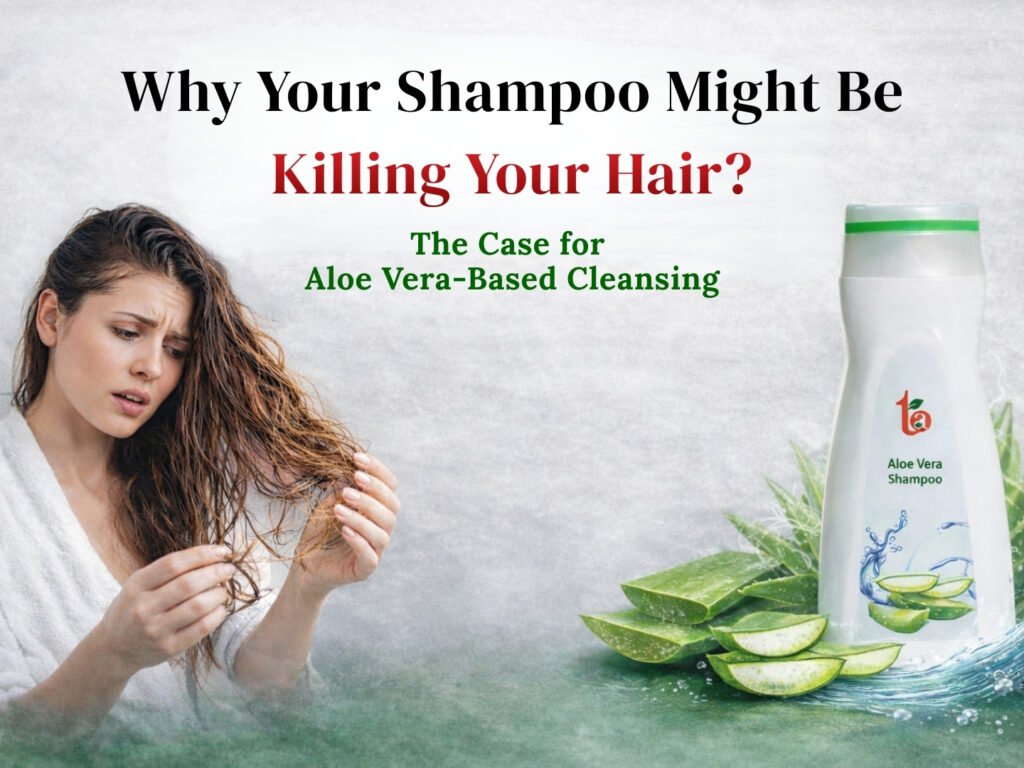


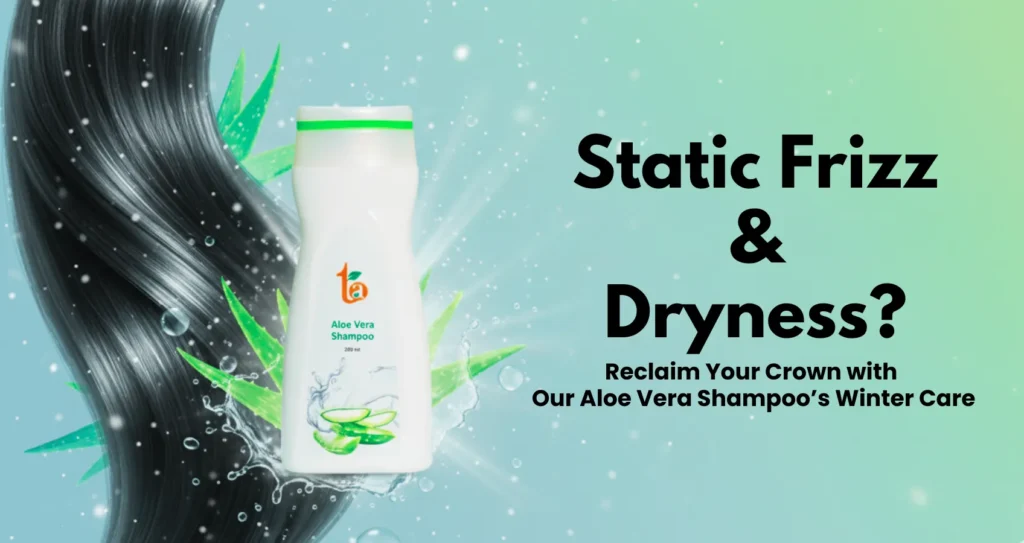
Winter introduces challenges like static, frizz, and dryness that can severely impact hair health. Aloe vera shampoo offers a solution by hydrating and nourishing hair despite cold, dry air. Its rich nutrients strengthen strands and soothe the scalp, combating the harsh effects of winter. Regular use promotes a vibrant, radiant look by retaining moisture. For those keen to reclaim their crown, more insights await on how this innovative shampoo can transform winter hair struggles. If you are exploring traditional wellness solutions, you may also consider Ayurvedic hair treatment in Hyderabad for deeper rejuvenation.
Understanding the Winter Hair Struggle
How does winter affect hair health? The cold, dry air of winter poses significant challenges to hair robustness. Low humidity levels strip moisture from hair strands, leading to increased brittleness and susceptibility to breakage. This harsh environment often results in static and frizz, disrupting the hair’s natural shine and smoothness. Additionally, indoor heating exacerbates dryness, further compromising hair structure. Innovative solutions are essential for maintaining hair health during winter months. Emphasizing hydration and nourishment becomes paramount, as traditional products may fall short in combating the seasonal adversities. Adopting specialized treatments and formulations that target moisture retention can prove transformative. Understanding these winter impacts lays the foundation for reclaiming vibrant, healthy hair amidst the seasonal struggle.
Benefits of Aloe Vera for Hair Health
Aloe vera stands out as a powerful ally in the quest for healthy hair, particularly during the challenging winter months. Renowned for its hydrating properties, aloe vera penetrates the hair shaft, delivering essential moisture and combating dryness. Its rich enzymatic content promotes scalp health by removing dead skin cells, paving the way for ideal hair growth. Furthermore, aloe vera’s natural anti-inflammatory qualities help soothe irritated scalps, reducing itchiness and flakiness. Packed with vitamins A, C, and E, it nourishes hair follicles, enhancing overall strength and shine. Additionally, aloe vera’s ability to balance pH levels aids in preventing excess oil production, making it suitable for all hair types. This unique combination positions aloe vera as an innovative solution for winter hair care challenges. Those seeking a clean and gentle formulation may benefit from trying the best aloe vera shampoo for hair growth to support both scalp and strand vitality.
How to Use Our Aloe Vera Shampoo Effectively
To maximize the benefits of aloe vera shampoo, users should follow a simple yet effective routine. First, dampen the hair thoroughly to allow for ideal absorption of the nourishing ingredients. A small amount of shampoo, approximately a quarter-sized dollop, is sufficient to cleanse the scalp and hair without overwhelming it. Users should gently massage the shampoo into the scalp with circular motions, stimulating blood flow and enhancing the revitalizing properties of aloe vera. After allowing it to sit for a few minutes, rinse thoroughly with lukewarm water to remove any residue. For added hydration, pairing the shampoo with a complementary conditioner can further combat winter dryness. For individuals looking for advanced therapy rooted in traditional healing, exploring a NABH Ayurvedic Panchakarma clinic in Telangana may help support overall hair and scalp balance.
Frequently Asked Questions
Can I Use Aloe Vera Shampoo on Color-Treated Hair?
The question of whether aloe vera shampoo is suitable for color-treated hair often arises among individuals seeking innovative hair care solutions. Aloe vera is known for its gentle, moisturizing properties, which can help maintain hair health without stripping color. Its natural ingredients may provide nourishment while preserving the vibrancy of dyed strands. As a result, using aloe vera shampoo on color-treated hair is generally considered safe and beneficial for overall hair health and moisture retention.
How Often Should I Wash My Hair in Winter?
The frequency of hair washing in winter is often influenced by individual hair type and scalp condition. Typically, experts suggest washing hair two to three times a week to maintain moisture levels and prevent dryness. Using hydrating shampoos can enhance this routine, allowing for effective cleansing while preserving natural oils. Tailoring the washing schedule to personal needs can lead to healthier hair, especially during the harsher winter months when environmental factors can impact hair health.
Does Aloe Vera Shampoo Help With Dandruff?
Aloe vera shampoo is often praised for its potential benefits in combating dandruff. Its natural antibacterial and antifungal properties may help reduce the scalp’s irritation and flakiness associated with dandruff. Additionally, aloe vera’s moisturizing qualities can soothe a dry scalp, promoting overall scalp health. Users seeking innovative solutions for dandruff may find that incorporating aloe vera shampoo into their hair care routine offers a revitalizing and effective approach to addressing this common issue.
Is Your Shampoo Suitable for All Hair Types?
The shampoo in question is designed to cater to a diverse range of hair types, promoting inclusivity and versatility. Its formulation harnesses innovative ingredients, ensuring that it effectively nourishes and hydrates various textures—from straight to coily. Users can expect enhanced manageability and shine, regardless of their specific hair needs. This adaptability positions the shampoo as a forward-thinking choice for individuals seeking a product that embraces hair diversity while delivering transformative results.
Can I Use Aloe Vera Shampoo on My Scalp?
The use of aloe vera shampoo on the scalp is not only permissible but often beneficial. Aloe vera is known for its soothing properties, which can help alleviate dryness and promote a healthy scalp environment. Innovative formulations harness the natural moisturizing benefits of aloe vera, making it suitable for various hair types. Those seeking to enhance scalp health while cleansing their hair may find this option particularly advantageous for maintaining ideal hair vitality.