

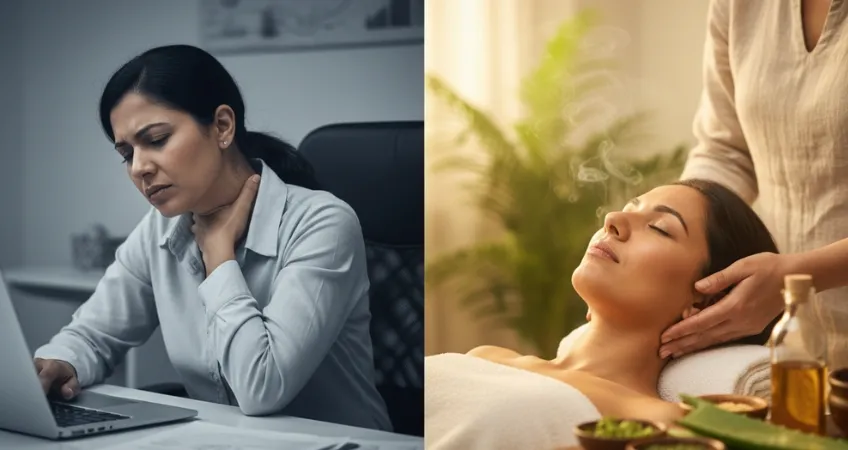
Cervical spondylosis is an increasingly common and debilitating condition that relentlessly troubles desk-bound professionals, often stemming from poor posture and prolonged sitting. However, relief is not only possible but achievable through powerful Ayurvedic therapies that zero in on restoring the body’s fundamental balance, specifically addressing debilitating Vata dosha imbalances. The most effective path to recovery integrates potent herbal remedies, targeted yoga for structural flexibility, and deep cleansing Panchakarma treatments for comprehensive detoxification. Coupled with essential lifestyle modifications—like regular breaks and ergonomic adjustments—and a diet rich in anti-inflammatory power, these strategies offer a thorough and sustainable solution for managing and eliminating cervical spondylosis pain. For comprehensive healing and detoxification, you can explore panchakarma treatment in vizag.
Understanding Cervical Spondylosis: Causes and Symptoms
Cervical spondylosis is not merely stiffness; it is a severe degenerative condition affecting the cervical spine, typically caused by age-related wear and tear, compounded by injuries, repetitive strain and the poor posture endemic to professional life. As this condition progresses, the symptoms can drastically reduce quality of life, manifesting as crippling neck stiffness, agonizing pain that radiates to the shoulders and arms and persistent headaches. For many, the involvement of nerves brings tingling or numbness in the hands. Crucially, symptoms often worsen dramatically with prolonged inactivity or sustained neck positions. Timely, effective intervention based on a clear understanding of these causes and symptoms is absolutely vital to maintaining a high quality of life.
The Ayurvedic Perspective on Neck Pain
Ayurveda approaches neck pain—especially in the context of cervical spondylosis—with a profound, holistic vision. It operates on the principle that the core issue is a serious imbalance of the body’s essential energies, or doshas—Vata, Pitta, and Kapha , with Vata dosha (governing movement and stability) being the primary culprit in neck pain. Stress, poor posture, and improper lifestyle choices actively worsen this imbalance, fueling stiffness and discomfort. The practitioner’s mission is not just superficial symptom relief, but a dedicated effort to diagnose the root causes based on individual constitution and lifestyle, ensuring harmony is restored through natural and personalized means. The focus is on understanding the root causes rather than merely alleviating symptoms, promoting overall well-being and preventing future occurrences of pain.
Effective Ayurvedic Treatments for Cervical Spondylosis
When seeking lasting relief from the discomfort of cervical spondylosis, Ayurvedic treatments deliver a truly comprehensive framework for deep healing. The treatment plan leverages powerful herbal remedies, including Ashwagandha and Guggulu, renowned for their confirmed anti-inflammatory strength. Furthermore, the therapy relies on profound detoxification and rejuvenation offered by Panchakarma therapy, employing techniques like Abhyanga (oil massage), which is critical for enhancing circulation and melting away debilitating stiffness. This is bolstered by specifically tailored yoga practices that dramatically improve cervical flexibility and strength. True recovery also demands powerful dietary adjustments emphasizing anti-inflammatory foods, which play a vital role in recovery. Embrace these proven Ayurvedic strategies for long-term relief and overall well-being. For specific and expert care, securing cervical spondylosis ayurvedic treatment in Vizag is your definitive next step.
Lifestyle Modifications for Desk-Bound Professionals
For desk-bound professionals, taking decisive control through specific lifestyle modifications is essential to conquer cervical spondylosis symptoms. You must implement regular breaks—stand, stretch, and walk—to actively relieve muscle tension and stimulate circulation. Immediately implement ergonomic adjustments, ensuring a supportive chair and your computer screen is at eye level to enforce proper posture and drastically reduce neck strain. Incorporate gentle neck exercises and yoga daily to build and maintain strength and flexibility. Furthermore, actively practicing mindfulness and stress management techniques is non-negotiable, as this may prevent muscle tightening due to tension. Staying hydrated and engaging in physical activities outside of work hours further supports overall neck health. By adopting these essential modifications, professionals can foster a healthier work environment and effectively mitigate the impact of cervical spondylosis.
Dietary Recommendations to Support Neck Health
A meticulously balanced and powerful diet is the essential foundation for supporting neck health and aggressively managing cervical spondylosis symptoms. You must incorporate powerful anti-inflammatory foods—leafy greens, fatty fish, nuts, and fruits like berries—to directly reduce pain and inflammation. Ensure your intake of Calcium and Vitamin D is optimized for critical bone health through dairy products, fortified foods, and sunlight exposure. Hydration is also paramount for maintaining joint lubrication and overall health. Furthermore, you must aggressively limit inflammation-promoting processed foods, sugar, and excessive salt to contribute to better outcomes. Integrating herbal teas like ginger and turmeric will provide an added layer of anti-inflammatory support. This nutrient-rich regimen will fundamentally support neck health and dramatically improve your quality of life.
Frequently Asked Questions
Can Stress Contribute to Cervical Spondylosis Pain?
Absolutely. The link between stress and cervical spondylosis pain is profound and undeniable. Stress directly causes muscle tension and inflammation, violently worsening discomfort in the cervical spine. Furthermore, high-stress periods often force individuals into poor posture, particularly when seated for long periods, accelerating neck strain. This toxic combination directly contributes to the severe worsening of symptoms, highlighting the importance of managing stress for overall spinal health and pain relief. For holistic support in managing tension, explore ayurvedic treatment for stress in Vizag.
How Long Does It Take to See Results From Ayurvedic Treatments?
While the timeline varies, the duration to see results from Ayurvedic treatments varies considerably among individuals. Typically, patients may begin to notice initial improvements within a few weeks, but achieving substantial and lasting change often requires several months of consistent therapy. The speed of results hinges on the severity of your condition, your adherence to the treatment protocols, and your individual responses to therapies. Achieving desired health outcomes requires patience and commitment to the prescribed regimen.
Are There Any Contraindications for Ayurvedic Therapies?
Yes, caution is mandatory. While highly beneficial, Ayurvedic therapies may have contraindications that must be rigorously considered. Certain herbal remedies can interact with medications or exacerbate existing health conditions. Individuals with allergies to specific ingredients, pregnant or breastfeeding women, and those with chronic illnesses should consult a healthcare professional before starting treatment. Your practitioner must thoroughly assess each person’s unique health profile to determine the absolute safety and appropriateness of Ayurvedic therapies.
Can Yoga Help in Managing Cervical Spondylosis?
The evidence is clear: yoga is a powerful tool. Research indicates that yoga may significantly improve flexibility, strengthen muscles and enhance posture, potentially alleviating discomfort associated with cervical spondylosis. Specific, targeted poses can actively promote spinal alignment and reduce tension in the neck and shoulders. However, this must be approached responsibly: it is essential for individuals to consult healthcare professionals before beginning any new exercise regimen to guarantee safety and appropriateness for their specific condition.
What Are the Signs of a More Serious Condition?
You must be vigilant for severe or persistent neck pain, numbness or tingling in the arms or hands, weakness in the limbs and difficulty with coordination or balance. If these symptoms are accompanied by fever, unexplained weight loss or bladder or bowel dysfunction, it may signal a serious underlying issue. Prompt medical evaluation is absolutely essential to determine the cause and secure the appropriate treatment for these alarming symptoms.