

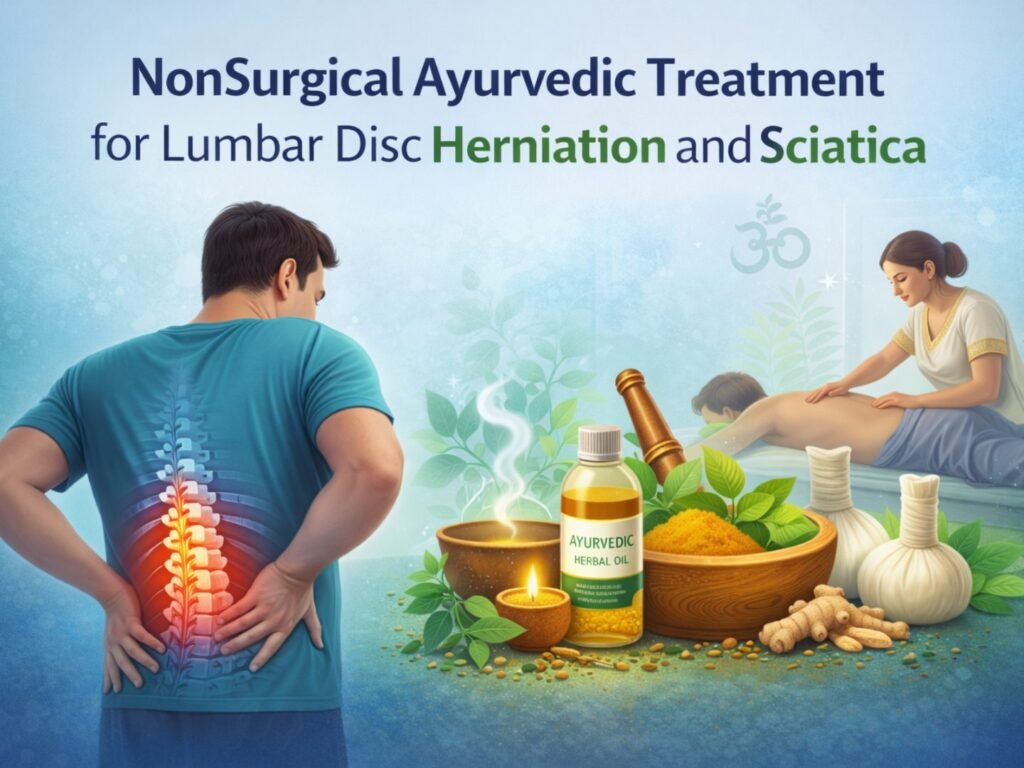
Non-surgical Ayurvedic treatment for lumbar disc herniation and sciatica focuses on restoring balance among the body’s energies. This approach combines herbal remedies such as Ashwagandha and Turmeric alongside lifestyle modifications and therapeutic practices. Techniques like yoga and ergonomics reduce strain, while dietary adjustments support healing. For those seeking professional guidance, consulting an Ayurvedic hospital in bangalore can provide access to specialized care that integrates these strategies for lasting relief and improved health.
Understanding Lumbar Disc Herniation and Sciatica
Lumbar disc herniation and sciatica represent significant medical concerns that affect many individuals. These conditions arise when the intervertebral discs in the lumbar spine become damaged, leading to the protrusion of disc material. This herniation can press against adjacent spinal nerves, resulting in the characteristic pain associated with sciatica—radiating discomfort along the sciatic nerve pathway. Patients often report symptoms such as lower back pain, numbness, tingling, and weakness in the legs. The interplay between mechanical stress and degenerative changes in the spine contributes to the onset of these disorders.
Ayurvedic Principles for Pain Management
Pain management in Ayurveda emphasizes a holistic approach, focusing on balancing the body’s energies—known as doshas—to alleviate discomfort. This ancient system recognizes that pain often arises from imbalances among Vata, Pitta, and Kapha. By identifying the predominant dosha contributing to the pain, practitioners can tailor interventions to restore equilibrium. Techniques such as Panchakarma detoxification, dietary modifications, and lifestyle adjustments are employed to support the body’s natural healing processes. When looking for specialized care, individuals can find targeted ayurvedic treatment for sciatica in bangalore that addresses these imbalances through personalized protocols.
Herbal Remedies for Relief
Herbal remedies play a significant role in alleviating discomfort associated with lumbar disc herniation and sciatica, complementing the foundational Ayurvedic principles of pain management. A variety of potent herbs, such as Ashwagandha, Turmeric, and Boswellia, are recognized for their anti-inflammatory properties, promoting pain relief and enhancing mobility. Additionally, the use of topical applications like Mahanarayan oil can provide localized relief, reducing muscle tension and inflammation. Formulations integrating these herbs into teas or capsules offer a holistic approach, targeting underlying issues while boosting overall wellness.
Lifestyle Modifications and Therapeutic Practices
While addressing the discomfort caused by lumbar disc herniation, lifestyle modifications and therapeutic practices can greatly enhance overall well-being. Emphasizing ergonomic adjustments in daily activities, such as maintaining proper posture and utilizing supportive seating, can mitigate strain on the spine. For residents in the eastern part of the city, seeking ayurvedic treatment for lumbar spondylosis in CV Raman Nagar can provide localized expertise in managing spinal degeneration and posture-related pain. Incorporating yoga and meditation promotes flexibility and mental clarity, fostering resilience against pain. Regular low-impact exercises, including swimming and walking, contribute to improved circulation and muscular strength.
Integrating Ayurveda With Conventional Care
Integrating Ayurveda with conventional care offers a thorough approach to managing lumbar disc herniation and sciatica. This synergy combines the holistic principles of Ayurveda, which emphasize individualized treatment and the balance of body energies, with evidence-based medical practices. Patients can benefit from Ayurvedic modalities such as herbal remedies, dietary adjustments, and yoga, which enhance overall well-being and may alleviate symptoms. Concurrently, conventional therapies, including physical therapy and pain management techniques, provide immediate relief and restore functionality.
Frequently Asked Questions
How Long Does Ayurvedic Treatment for Sciatica Typically Take to Show Results?
The duration for Ayurvedic treatment to yield noticeable results can vary widely among individuals. Factors such as the severity of the condition, the specific therapies employed, and the patient’s overall health play significant roles. Generally, practitioners suggest that patients may begin to experience improvements within a few weeks, although thorough treatment plans may extend over several months.
Are There Any Side Effects of Ayurvedic Herbs for Lumbar Disc Issues?
While many individuals experience positive outcomes, some may encounter mild side effects such as gastrointestinal disturbances or allergic reactions. The variability often hinges on individual constitution and specific herb combinations. A thorough consultation with a qualified practitioner is essential to mitigate risks.
Can Diet Alone Help Manage Symptoms of Lumbar Disc Herniation?
A well-balanced diet rich in anti-inflammatory foods, such as omega-3 fatty acids, antioxidants, and essential vitamins, may support overall spinal health and potentially alleviate discomfort. While diet plays an important role, it is essential to evaluate a thorough approach that includes physical therapy and lifestyle changes for best results.
Is Ayurvedic Treatment Safe for Pregnant Women With Sciatica?
While Ayurvedic practices emphasize natural remedies, the unique physiological changes during pregnancy necessitate caution. It is vital for practitioners to assess individual health conditions and potential risks. Consulting healthcare professionals familiar with both Ayurveda and pregnancy is essential to guarantee the well-being of both mother and child.
How Do I Choose the Right Ayurvedic Practitioner for My Condition?
Choosing the right practitioner involves evaluating qualifications, experience, and specialization. A prospective patient should seek practitioners with recognized certifications and a solid understanding of their specific condition. Open communication is essential for fostering a supportive therapeutic relationship.