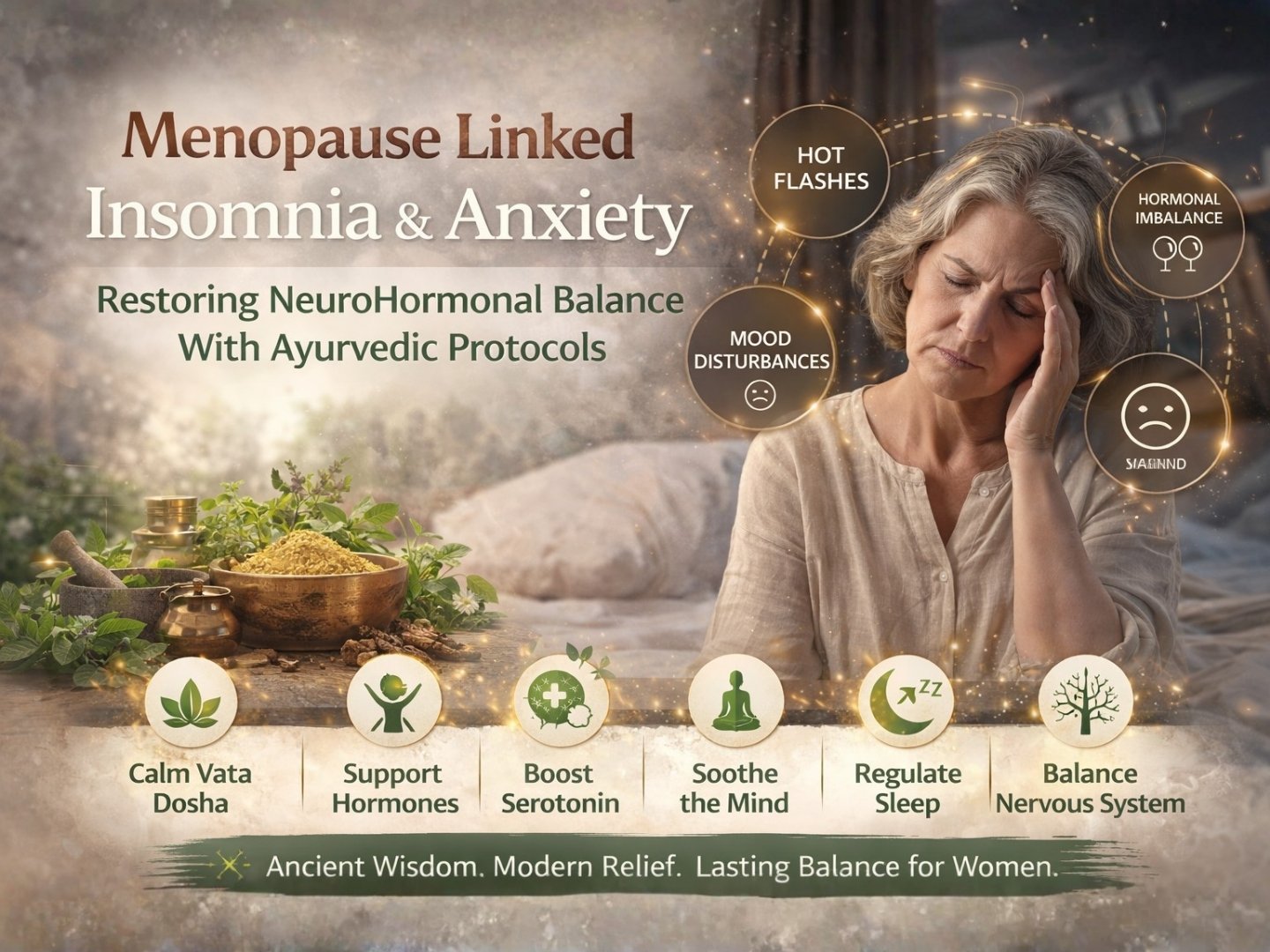
Menopause can lead to insomnia and anxiety due to neuro-hormonal imbalances. These fluctuations impact sleep quality and emotional stability, often causing fatigue and irritability. For women navigating these changes, consulting a specialist at a professional Ayurvedic hospital in bangalore can provide a personalized roadmap toward restoring internal harmony. Ayurvedic protocols focus on restoring this balance through dietary guidelines, herbal remedies, and lifestyle practices. Foods rich in phytoestrogens, along with adaptogens like Ashwagandha, can support hormonal health. Incorporating regular physical activity and mindfulness techniques also plays a vital role in managing these symptoms effectively.
Understanding Menopause and Its Impact on Sleep and Mood
As women navigate through menopause, they often experience significant hormonal fluctuations that can adversely affect both sleep quality and emotional well-being. These fluctuations, particularly in estrogen and progesterone levels, can lead to insomnia and heightened anxiety, creating a cycle that is difficult to break. Sleep disturbances may manifest as difficulty falling or staying asleep, while mood swings and increased irritability can stem from the resultant fatigue. The interplay of these symptoms can disrupt daily life, leading to decreased productivity and overall quality of life. Understanding the underlying mechanisms of menopause is essential for developing innovative strategies to address these challenges, allowing women to reclaim restful sleep and emotional stability during this transitional period.
The Role of Neuro-Hormonal Balance in Menopause
How does neuro-hormonal balance influence the experiences of women during menopause? This balance plays an essential role in regulating mood, sleep, and overall well-being. As estrogen and progesterone levels fluctuate, neurochemical pathways become disrupted, leading to symptoms such as insomnia and anxiety. The interplay of hormones like cortisol, serotonin, and dopamine further complicates this phase, often exacerbating emotional instability and sleep disturbances. Innovative approaches that target neuro-hormonal balance can greatly alleviate these menopausal symptoms. By harnessing the power of both modern science and ancient wisdom, women can achieve a dynamic equilibrium that enhances their quality of life during this transformative period.
Ayurvedic Dietary Guidelines for Managing Symptoms
Ayurvedic guidelines emphasize a balanced diet rich in whole, unprocessed foods to support hormonal equilibrium. Incorporating foods high in phytoestrogens, such as flaxseeds and legumes, may ease fluctuations in estrogen levels. Additionally, warm, cooked meals are recommended to enhance digestion and nutrient absorption. For those seeking specialized clinical help, finding the right Ayurvedic treatment for Insomnia in Bangalore can ensure that dietary changes are complemented by traditional therapies like Shirodhara. Spices like turmeric and ginger can reduce inflammation, while herbal teas promote relaxation and restful sleep. Avoiding excessive caffeine and sugar can also help stabilize mood and energy levels, fostering a harmonious internal environment.
Herbal Remedies and Supplements for Insomnia and Anxiety
Emerging research suggests that various botanicals may play a pivotal role in restoring balance. Adaptogens like Ashwagandha and Rhodiola have been shown to modulate stress responses, potentially alleviating anxiety. Meanwhile, herbs such as Valerian root and Chamomile are renowned for their calming properties, promoting restful sleep. Additionally, supplements containing magnesium and omega-3 fatty acids may support neuro-hormonal balance, further enhancing emotional stability. The synergistic effects of these natural ingredients offer innovative pathways for women seeking holistic solutions during this changeable phase. By integrating these remedies, individuals may cultivate a more harmonious state of mind and improved sleep quality without the side effects often associated with conventional treatments.
Lifestyle Practices to Enhance Well-Being During Menopause
Engaging in regular physical activity, such as yoga or brisk walking, can alleviate symptoms by promoting hormonal balance and reducing stress. For comprehensive mental health support, opting for ayurvedic treatment for stress and anxiety in Bangalore provides access to a structured environment for healing and nervous system reset. Mindfulness techniques, including meditation and deep breathing exercises, foster emotional resilience. Moreover, prioritizing sleep hygiene—such as maintaining a consistent sleep schedule and creating a tranquil sleep environment—enhances restorative sleep. Social connections and support networks also play an essential role in emotional well-being, providing a sense of belonging during this shifting phase.
Frequently Asked Questions
Can Menopause Symptoms Vary Significantly From Woman to Woman?
Menopause symptoms indeed vary considerably among women, influenced by factors such as genetics, lifestyle, and overall health. Each individual’s hormonal fluctuations and physiological responses can lead to a diverse range of experiences, from mild discomfort to severe disruptions. This variability underscores the necessity for personalized approaches to symptom management, encouraging ongoing exploration of innovative solutions that cater to the unique needs of each woman traversing this transformative life stage.
How Long Can Menopause-Related Insomnia Last?
The duration of menopause-related insomnia can vary widely among individuals, typically lasting from a few months to several years. Factors influencing this duration include hormonal fluctuations, lifestyle, and overall health. Some women may experience intermittent sleep disturbances, while others face prolonged challenges. As awareness of innovative solutions grows, understanding personalized treatments and lifestyle adjustments becomes essential for effectively managing these symptoms.
Are There Specific Yoga Poses for Menopause-Related Anxiety?
Yoga offers various poses that may alleviate anxiety, particularly during challenging life changes. Poses such as Child’s Pose, Legs-Up-The-Wall, and Cat-Cow can promote relaxation and reduce stress levels. Additionally, incorporating mindfulness and breathwork into these practices enhances their effectiveness. By fostering a sense of calm and grounding, these innovative approaches within yoga help individuals navigate emotional turbulence.
Is It Safe to Use Supplements During Menopause?
The safety of using supplements during menopause is a topic of increasing interest. Research suggests that certain supplements may support overall well-being, yet the efficacy and safety can vary. It is essential for individuals to consult healthcare professionals to assess potential interactions with existing medications and individual health conditions. Personalized approaches that consider lifestyle, dietary habits, and specific symptoms may enhance safety and effectiveness.
Can Menopause Affect Libido and Sexual Health?
The impact of menopause on libido and sexual health is significant, as hormonal fluctuations can lead to decreased sexual desire and physical discomfort. These changes often stem from reduced estrogen levels, affecting vaginal lubrication and overall sexual function. Innovative approaches to address these issues include hormone therapy, lifestyle modifications, and alternative therapies. Empowering individuals with knowledge about their bodies can facilitate open conversations and enhanced well-being.