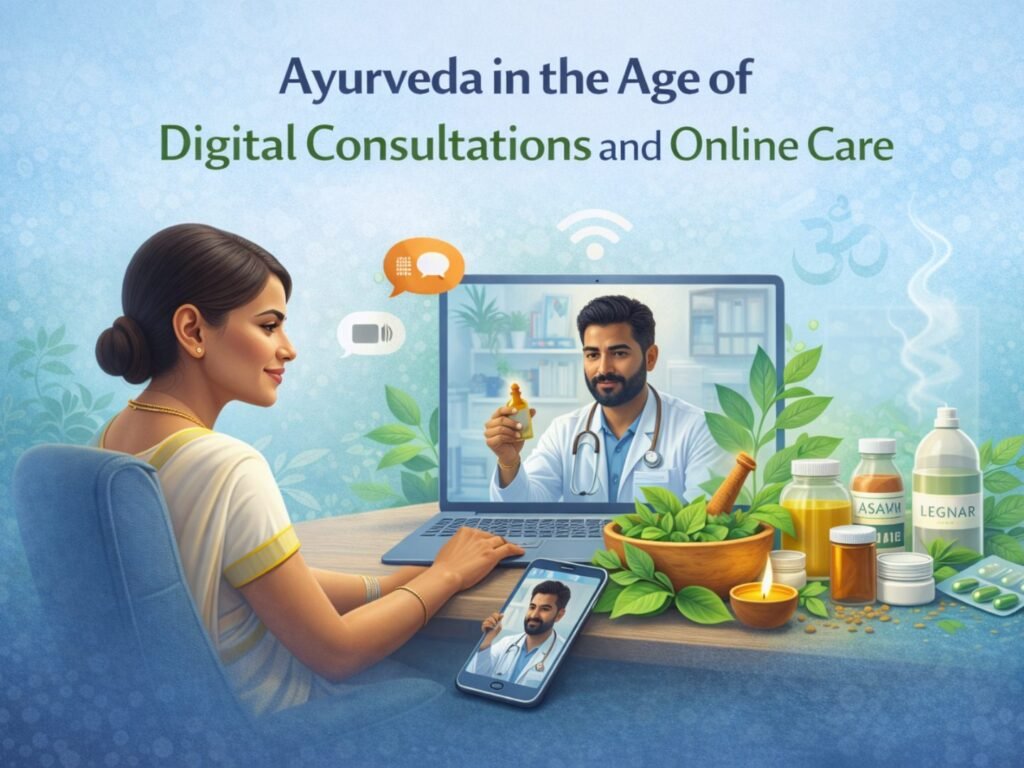



Integrative medicine blends the holistic principles of Ayurveda with the advancements of modern science. This approach emphasizes treating the whole person—body, mind, and spirit—while considering individual lifestyles and preferences. It incorporates nutrition, mindfulness, and other practices alongside conventional treatments. Scientific research increasingly supports Ayurvedic methods, validating their effectiveness in promoting health and managing chronic conditions. This balanced perspective fosters patient empowerment and personalized care, offering a thorough path to wellness that many find transformative. Those looking for deeper support can benefit from consulting the best Ayurvedic doctor in Bangalore. Further insights await.
Understanding Integrative Medicine: A Holistic Approach to Health
While many healthcare systems focus solely on treating symptoms, integrative medicine adopts a holistic approach that considers the entire person—body, mind, and spirit. This innovative methodology seeks to understand the interconnectedness of physical health, emotional well-being, and spiritual fulfillment. By combining conventional medical practices with alternative therapies, integrative medicine provides extensive care tailored to individual needs. Practitioners often employ a range of techniques, including nutrition, exercise, mindfulness, and acupuncture, to foster peak health. This paradigm shift encourages patients to actively participate in their healing journey, promoting resilience and empowerment. As the demand for personalized healthcare rises, integrative medicine stands at the forefront, merging the wisdom of ancient traditions with the advancements of modern science for a balanced and enriched life.
The Role of Ayurveda in Modern Healthcare
Ayurveda, an ancient system of medicine originating from India over 5,000 years ago, plays a significant role in modern healthcare by emphasizing prevention and holistic well-being. Its principles advocate for a personalized approach, recognizing that each individual has unique physical and emotional needs. Ayurveda’s focus on lifestyle, diet, and natural remedies offers innovative strategies for managing chronic conditions and enhancing overall health. As healthcare systems worldwide increasingly prioritize patient-centered care, Ayurvedic practices align seamlessly with contemporary wellness trends. By integrating Ayurvedic insights into mainstream medical frameworks, healthcare providers can foster a more thorough understanding of health, ultimately leading to improved patient outcomes. This synthesis of ancient wisdom and modern science holds the potential to transform healthcare paradigms globally.
Bridging the Gap: How Science Validates Ayurvedic Practices
The integration of Ayurveda into modern healthcare is increasingly supported by scientific research that validates its practices and principles. Numerous studies have explored the efficacy of herbal remedies, dietary guidelines, and holistic approaches rooted in Ayurvedic traditions. For instance, the anti-inflammatory properties of turmeric have garnered attention, demonstrating significant potential in managing chronic conditions. Research into mind-body therapies, such as yoga and meditation, highlights their impact on mental health and overall well-being. Additionally, clinical trials investigating Ayurvedic formulations reveal promising results in treating various ailments. This confluence of ancient wisdom and contemporary science not only enhances the credibility of Ayurvedic practices but also paves the way for innovative healthcare solutions that prioritize a thorough understanding of human health.
Personalized Treatment Plans: Tailoring Health Solutions
Personalized treatment plans represent a significant advancement in healthcare, particularly when integrating Ayurvedic principles with modern medical practices. By considering individual constitution, lifestyle, and health history, these plans enable practitioners to design targeted interventions that resonate with each patient’s unique needs. This integration of Ayurveda’s holistic perspective with evidence-based medical approaches fosters a thorough understanding of health, enhancing the efficacy of treatments. With the potential to address chronic conditions and promote wellness, personalized plans not only optimize therapeutic outcomes but also promote patient engagement in their healthcare journey. Those seeking a structured, accredited healing environment may explore a NABH Ayurvedic Panchakarma clinic in Bangalore for comprehensive care. As this innovative approach continues to evolve, it encourages a shift towards more adaptive, patient-centered care that aligns with the complexities of modern life and individual health aspirations.
Empowering Patients: Taking Charge of Your Health Journey
As individuals increasingly seek control over their health, empowering patients becomes a crucial element in the journey toward wellness. This empowerment encourages active participation in decision-making, fostering a collaborative environment between patients and healthcare providers. With access to innovative tools such as telemedicine, personalized health apps, and educational resources, patients can now monitor their progress and engage in their treatment plans more effectively. The integration of Ayurveda and modern science further enriches this experience, offering diverse modalities tailored to individual needs. Additionally, many patients today benefit from Ayurvedic insurance reimbursement options, making holistic treatments more accessible and affordable. By embracing a proactive approach, patients cultivate a deeper understanding of their health, enhancing their ability to navigate challenges. Ultimately, this empowerment transforms the health landscape, enabling individuals to become architects of their own wellness journeys.
Frequently Asked Questions
How Can I Find a Practitioner of Integrative Medicine?
To find a practitioner of integrative medicine, one can start by researching local health clinics, wellness centers, or hospitals that emphasize holistic approaches. Online directories and professional associations often list qualified practitioners. Networking through community health events or wellness workshops can also provide valuable referrals. Additionally, consulting with friends or family who have experience in this field may lead to trusted recommendations, facilitating a journey toward innovative health solutions.
Is Integrative Medicine Covered by Health Insurance Plans?
The coverage of integrative medicine by health insurance plans varies considerably. Many insurance providers may include certain services, such as acupuncture or chiropractic care, but extensive coverage for integrative approaches is less common. It is essential for individuals to review their specific policy details and consult with their insurance representatives. As the demand for holistic health options grows, some insurers are beginning to adapt, potentially influencing future coverage trends in integrative medicine.
What Should I Expect During My First Integrative Medicine Consultation?
During a first integrative medicine consultation, individuals can expect a thorough assessment of their health history, lifestyle, and goals. Practitioners typically employ a holistic approach, combining various modalities to address physical, emotional, and spiritual well-being. Innovative diagnostic tools may be utilized to create personalized treatment plans, integrating traditional and modern practices. This initial session often emphasizes open communication, encouraging patients to express their concerns and aspirations for a tailored health journey.
Are There Any Risks Associated With Integrative Medicine Therapies?
Integrative medicine therapies, while promising, can carry certain risks. These may include potential interactions between herbal supplements and pharmaceuticals, leading to adverse effects. Additionally, not all practitioners may be adequately trained, raising concerns about treatment efficacy and safety. Patients should remain vigilant, ensuring that they disclose all medications and health conditions to their providers. Ultimately, a thorough understanding and cautious approach can help mitigate these risks while exploring innovative health solutions.
How Can I Incorporate Ayurveda Into My Daily Routine?
Incorporating Ayurveda into a daily routine can be an innovative endeavor. One can start by establishing a morning ritual, such as drinking warm water with lemon to stimulate digestion. Integrating herbal teas, like ginger or tulsi, throughout the day promotes wellness. Mindfulness practices, including yoga or meditation, enhance mental clarity. Additionally, adopting a balanced diet aligned with Ayurvedic principles, focusing on seasonal and local foods, can greatly improve overall health and well-being.