

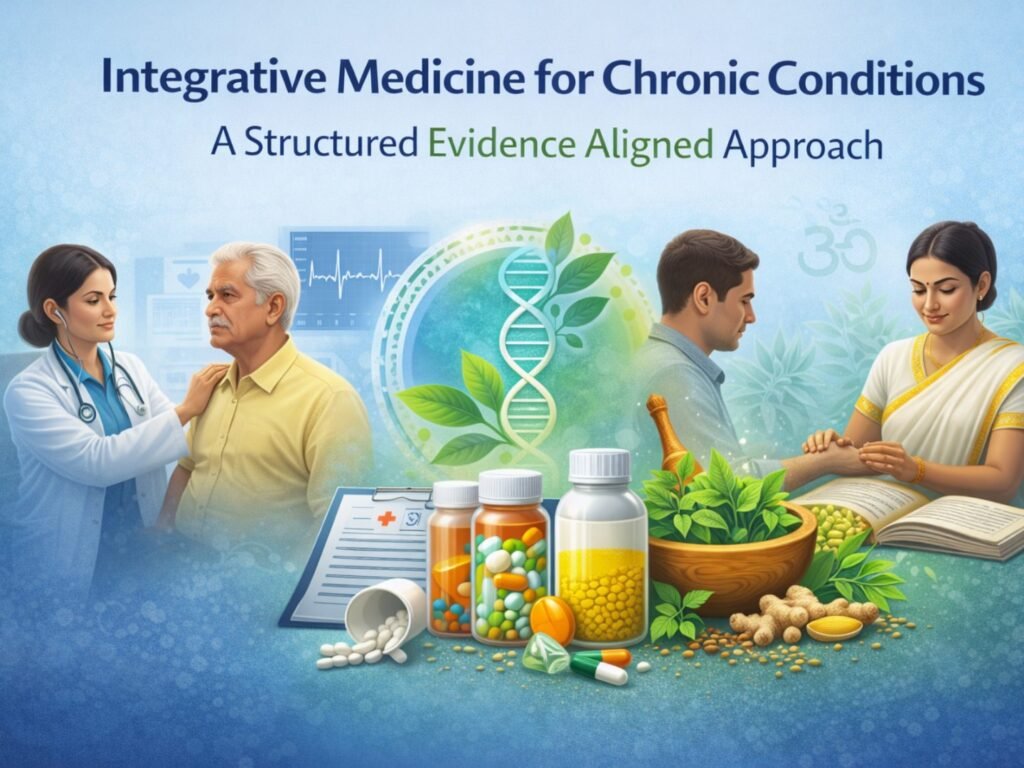
Integrative medicine offers a structured, evidence-aligned approach to managing chronic conditions by combining traditional practices with complementary therapies. This method emphasizes the interconnectedness of mind, body, and spirit while personalizing care to meet individual needs. For patients seeking a professional environment that balances these philosophies, visiting a reputable Ayurvedic hospital in vijayawada can provide a foundation for comprehensive healing. Evidence-based research supports the efficacy of combining conventional treatments with modalities such as acupuncture and mindfulness to improve symptom management and overall well-being.
Understanding Integrative Medicine: Principles and Practices
While many people seek conventional medical treatments for chronic conditions, integrative medicine offers a holistic approach that combines traditional practices with complementary therapies. This paradigm encourages patients to actively participate in their healing journey by recognizing each individual’s unique circumstances. Integrative medicine employs a diverse range of modalities, such as acupuncture, herbal remedies, and mindfulness techniques, alongside conventional treatments. This multifaceted strategy focuses on prevention and overall well-being rather than merely addressing symptoms.
The Role of Evidence-Based Research in Integrative Approaches
Although integrative medicine emphasizes holistic practices, evidence-based research is essential for validating these approaches. Rigorous scientific inquiry establishes the efficacy and safety of various integrative modalities, ensuring they complement conventional treatments effectively. By systematically evaluating outcomes, healthcare providers can discern which strategies yield the most significant benefits for patients. Furthermore, choosing a certified NABH Ayurvedic Panchakarma clinic in andhra pradesh ensures that patients receive care that meets high quality and safety standards supported by structured protocols.
Complementary Therapies: Enhancing Conventional Treatments
Complementary therapies play an essential role in enhancing conventional treatments by addressing the multifaceted needs of patients with chronic conditions. These therapies, which include acupuncture, mindfulness practices, and nutritional interventions, offer innovative avenues for care that transcend traditional medical paradigms. By integrating these modalities, healthcare providers can improve symptom management and quality of life. Research indicates that such therapies can reduce reliance on pharmaceuticals, mitigate side effects, and promote emotional well-being.
Case Studies: Success Stories in Chronic Condition Management
Integrating complementary therapies into conventional treatment plans has led to notable success stories in chronic condition management. For instance, a patient with rheumatoid arthritis who utilized acupuncture and dietary modifications alongside standard medication experienced reduced pain and improved mobility. Similarly, incorporating kerala ayurveda in Vijayawada into a routine can offer specialized traditional therapies that have been shown to stabilize various health markers and enhance emotional resilience. These cases illustrate how blending traditional and complementary practices can promote holistic healing.
Strategies for Patients: Empowering Personal Health Journeys
Many patients facing chronic conditions find that adopting personalized strategies can greatly enhance their health journey. By leveraging integrative medicine principles, individuals can tailor their approaches based on unique needs and preferences. Innovative tools like digital health apps facilitate self-monitoring, while collaborative care models foster a supportive environment for shared decision-making. Additionally, mindfulness and stress management techniques can bolster resilience, allowing patients to navigate challenges more effectively and engage actively in their own recovery.
Frequently Asked Questions
How Can I Find a Qualified Integrative Medicine Practitioner?
To find a qualified practitioner, research reputable organizations that certify professionals in this field. Online directories, patient reviews, and networking with healthcare providers can provide insights into credentials and specialties.
What Are the Costs Associated With Integrative Medicine Therapies?
Costs vary based on the type of treatment, practitioner expertise, and geographic location. Patients may encounter expenses for consultations, diagnostic tests, and specific therapies like acupuncture or nutritional counseling.
Are There Any Risks or Side Effects of Complementary Therapies?
While many experience benefits, others may encounter adverse reactions, particularly if therapies interact with conventional treatments. Issues can range from mild discomfort to severe complications, making informed decision-making and rigorous research essential.
How Do I Know if Integrative Medicine Is Right for Me?
Suitability involves evaluating individual health needs, preferences, and openness to complementary therapies. Consider your personal health goals and consult healthcare professionals knowledgeable in integrative practices to make an informed decision.
Can Integrative Medicine Replace Conventional Treatments Completely?
Integrative approaches are best viewed as complementary rather than entirely substitutive. Evidence suggests that combining conventional treatments with integrative practices enhances overall outcomes, addressing both physical and emotional aspects of health.