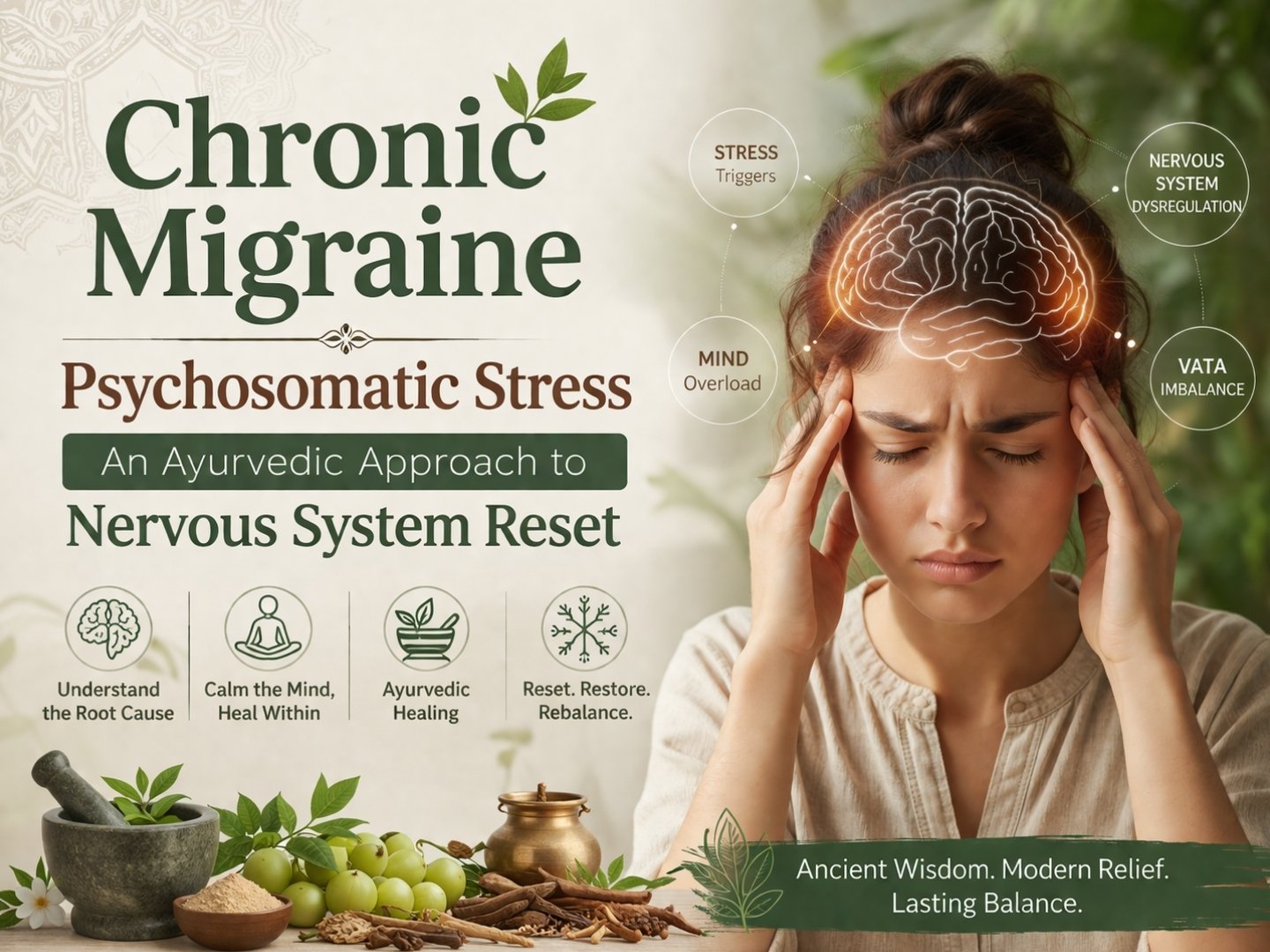
Chronic migraines often stem from complex interactions of psychosomatic stress and various triggers. An Ayurvedic approach emphasizes balancing the nervous system through mindful practices, holistic nutrition, and understanding one’s individual constitution. For those seeking expert guidance, consulting the best ayurvedic doctor in bangalore can provide a personalized roadmap toward recovery. Techniques like yoga, meditation, and herbal remedies help alleviate symptoms while addressing underlying stressors. By fostering mental clarity and emotional stability, individuals can better manage migraines. Discover more about the effective strategies and principles that can support this journey to relief and well-being.
Understanding Chronic Migraines and Their Triggers
Although many individuals experience headaches, chronic migraines present a unique challenge, often characterized by their frequency and intensity. These debilitating episodes can disrupt daily life and impact overall well-being. The complexity of chronic migraines lies in their myriad triggers, which can include environmental factors, dietary choices, hormonal fluctuations, and sleep disturbances. Each trigger interacts uniquely with an individual’s physiology, leading to unpredictable attacks. Understanding these triggers is essential for developing targeted prevention strategies. Innovative approaches, such as personalized tracking of symptoms and triggers, empower individuals to identify patterns and make informed lifestyle adjustments. By harnessing technology and holistic insights, there exists potential to transform the management of chronic migraines, paving the way for enhanced quality of life and innovative remedies.
The Role of Psychosomatic Stress in Migraine Episodes
Psychosomatic stress plays a significant role in the onset and severity of migraine episodes. This form of stress arises from the interplay between emotional and physical stimuli, manifesting as tension or discomfort within the body. Research indicates that heightened anxiety, unresolved conflicts, and chronic stress can trigger neurochemical responses, leading to increased pain sensitivity. If you are experiencing persistent discomfort, seeking specialized Ayurvedic treatment for Migraine in CV Raman Nagar can help address these psychosomatic roots through traditional healing methods. As the nervous system becomes overwhelmed, the body’s ability to regulate pain diminishes, often resulting in debilitating migraines. Furthermore, psychosomatic stress can perpetuate a cycle of fear and anticipation surrounding migraine attacks, further exacerbating symptoms.
Key Ayurvedic Principles for Nervous System Health
The foundation of Ayurvedic medicine emphasizes the importance of maintaining a balanced and healthy nervous system to prevent and manage chronic migraines. Central to this approach is the concept of Sattva, which promotes mental clarity and emotional stability. Ayurveda advocates for recognizing individual constitution (Prakriti) and identifying any imbalances (Vikriti) that may disrupt the nervous system. For high-quality clinical care, visiting a NABH Ayurvedic Panchakarma clinic in bangalore ensures that these traditional principles are applied with modern safety and quality standards. Additionally, the integration of daily routines, or Dinacharya, is essential for fostering resilience against stress. Nourishing foods, mindful practices, and herbal adaptogens are also intrinsic components that support neural health.
Effective Ayurvedic Practices for Migraine Relief
Building upon the principles of maintaining a balanced nervous system, Ayurveda offers a variety of effective practices specifically aimed at alleviating migraine symptoms. These practices include herbal remedies such as ginger and turmeric, known for their anti-inflammatory properties, and the use of essential oils like lavender and peppermint, which can promote relaxation and reduce pain. Additionally, Ayurvedic techniques such as Shirodhara, where warm oil is poured over the forehead, can help calm the mind and ease tension. Yoga and pranayama, or breath control, are also integral, providing physical relief while fostering mental clarity. By integrating these innovative approaches, individuals can experience a holistic transformation, addressing not only the symptoms of migraines but also the underlying stressors that contribute to them.
Integrating Lifestyle Changes for Long-Term Well-Being
While addressing chronic migraines through Ayurvedic practices is essential, integrating lifestyle changes is equally crucial for long-term well-being. Adopting a holistic approach entails re-evaluating daily routines, emphasizing balanced nutrition, regular exercise, and mindfulness techniques. Incorporating stress management strategies, such as yoga and meditation, can notably alleviate migraine triggers. Additionally, fostering a consistent sleep schedule enhances restorative processes, promoting neurophysiological stability. Engaging in creative outlets and social interactions may also contribute to emotional resilience, further mitigating psychosomatic effects. By harmonizing physical, mental, and emotional health, individuals can create a sustainable framework that empowers them to manage chronic migraines effectively.
Frequently Asked Questions
Can Ayurvedic Treatment Completely Eliminate Chronic Migraines?
The question of whether Ayurvedic treatment can completely eliminate chronic migraines remains complex. While some individuals report significant relief and improved quality of life through personalized Ayurvedic practices, results vary widely. Ayurvedic approaches emphasize holistic healing, addressing underlying imbalances and promoting overall well-being. However, claims of complete elimination should be approached with caution, as chronic conditions often require multifaceted management strategies.
How Long Does It Take to See Results From Ayurvedic Practices?
The timeline for observing results from Ayurvedic practices varies markedly among individuals. Factors such as the severity of the condition, adherence to treatment, and personal physiology play vital roles. Typically, some may notice initial improvements within weeks, while others might require several months for substantial changes. This variability reflects Ayurveda’s holistic nature, emphasizing individualized treatment plans.
Are There Any Side Effects of Ayurvedic Remedies for Migraines?
The inquiry into side effects reveals a complex landscape. While many individuals report positive outcomes, potential side effects can include digestive disturbances, allergic reactions, or interactions with conventional medications. Individual responses vary greatly based on dosage and personal health conditions. A cautious approach, ideally guided by a knowledgeable practitioner, is recommended.
Can Dietary Changes Alone Help in Managing Chronic Migraines?
Dietary changes can markedly influence the management of chronic migraines. Research suggests that certain foods, such as those rich in magnesium or omega-3 fatty acids, may reduce migraine frequency and severity. While dietary adjustments may not serve as a standalone solution, they can complement other treatment strategies effectively.
Is It Safe to Combine Ayurveda With Conventional Migraine Treatments?
The safety of combining Ayurveda with conventional migraine treatments is an area of growing interest. Integrative approaches may enhance treatment efficacy and address various aspects of health. However, it is essential for individuals to consult healthcare professionals before merging these modalities to identify potential interactions.