


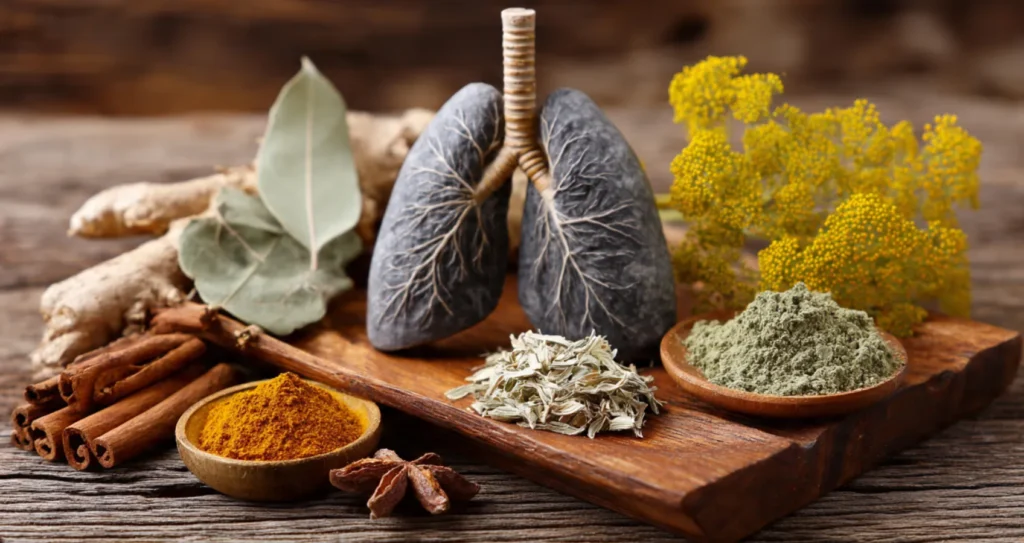
Cold weather can greatly worsen asthma and bronchitis symptoms. Ayurvedic herbs like Tulsi, Vasa, and Licorice root offer natural relief by reducing inflammation and enhancing lung function. Turmeric’s curcumin provides anti-inflammatory benefits, while Pippali supports respiratory capacity. Incorporating these herbs into daily routines can bolster respiratory health. Additionally, lifestyle adjustments such as humidifying indoor air, engaging in gentle exercise, and maintaining a balanced diet further support lung health during winter months. More insights await for those seeking to strengthen their respiratory shield.
Understanding Asthma and Bronchitis: The Impact of Cold Weather
As temperatures drop, many individuals with asthma and bronchitis experience heightened symptoms, illustrating the notable impact of cold weather on respiratory health. Cold air can lead to bronchial constriction, making it more challenging for those affected to breathe comfortably. Additionally, lower humidity levels contribute to airway dryness, exacerbating irritation and inflammation. The body’s response to cold can trigger an increase in mucus production, further obstructing airflow. Innovative approaches to managing these conditions involve understanding the environmental triggers and adjusting lifestyle habits accordingly. Emphasizing the importance of proper clothing, indoor air quality, and humidity control can notably enhance respiratory function during colder months. Awareness of these factors empowers individuals to take proactive measures in safeguarding their respiratory health amid winter’s challenges.
Key Ayurvedic Herbs for Respiratory Health
Numerous Ayurvedic herbs have been recognized for their beneficial effects on respiratory health, particularly for conditions like asthma and bronchitis. Among these, Tulsi (Holy Basil) stands out for its anti-inflammatory properties, aiding in bronchial dilation. Vasa (Adhatoda vasica) is another potent herb, traditionally used to alleviate cough and promote lung function. Licorice root (Mulethi) possesses soothing qualities that can help reduce throat irritation , while Turmeric, with its active compound curcumin, offers significant anti-inflammatory benefits. Additionally, Pippali (Long Pepper) enhances respiratory capacity and supports overall lung health. These innovative herbal solutions provide a natural approach to strengthening the respiratory shield, enabling individuals to navigate cold weather challenges with greater resilience.
How to Incorporate Ayurvedic Remedies Into Your Routine
To effectively incorporate Ayurvedic remedies into daily routines, individuals can begin by evaluating their specific respiratory needs and selecting appropriate herbs. This may include options such as Tulsi, known for its anti-inflammatory properties, or Vasa, which aids in clearing mucus. Once chosen, these herbs can be integrated through various methods—infusions, capsules, or even culinary applications. Creating a personalized regimen enhances adherence and guarantees ideal benefits. Additionally, timing can be essential ; consuming these remedies during peak respiratory flare-ups or as preventive measures during colder months can amplify their effectiveness. By seamlessly blending these herbal solutions into their lifestyles, individuals can foster a proactive approach to respiratory health, enhancing both comfort and resilience against seasonal challenges. If you are looking for specialized care, you can visit an Ayurvedic hospital in bangalore.
Lifestyle Tips for Maintaining Lung Health in Winter
Maintaining lung health during winter requires a proactive approach, especially as cold weather can exacerbate respiratory issues. Individuals are encouraged to embrace innovative practices that fortify respiratory function. Regularly engaging in gentle aerobic exercises, such as brisk walking or yoga, can enhance lung capacity and circulation. In addition, incorporating steam inhalation with essential oils, like eucalyptus, can provide immediate relief and improve airways’ hydration. A diet rich in anti-inflammatory foods, including turmeric and ginger, supports overall lung function. Moreover, creating a humid indoor environment can prevent dryness, which irritates the respiratory system. Prioritizing adequate sleep and stress-reduction techniques, such as mindfulness, also plays an important role in maintaining lung health during winter’s harsh conditions. For focused expertise, consider exploring Ayurvedic treatment for Respiratory disease in Bangalore.
Frequently Asked Questions
Can Diet Influence Asthma and Bronchitis Symptoms in Winter?
The influence of diet on asthma and bronchitis symptoms during winter is significant. A well-balanced diet rich in anti-inflammatory foods can potentially mitigate respiratory issues. Incorporating fresh fruits, vegetables, and omega-3 fatty acids may enhance lung function and reduce inflammation. Conversely, processed foods high in sugar and trans fats could exacerbate symptoms. Consequently, a mindful approach to nutrition could serve as an innovative strategy for individuals seeking to manage their respiratory health effectively during colder months.
Are There Specific Breathing Exercises to Alleviate Respiratory Issues?
Breathing exercises can considerably alleviate respiratory issues by promoting lung function and enhancing oxygen intake. Techniques such as diaphragmatic breathing, pursed-lip breathing, and the Buteyko method encourage deeper, more controlled breaths, reducing anxiety and improving overall respiratory efficiency. Incorporating these exercises into a daily routine may lead to innovative approaches in managing respiratory health, ultimately fostering a proactive stance towards enhancing one’s quality of life during challenging respiratory conditions or environments.
How Does Stress Affect Asthma and Bronchitis During Cold Months?
Stress substantially impacts respiratory conditions, particularly during colder months. It can exacerbate inflammation, leading to heightened symptoms in individuals with asthma and bronchitis. Cold weather often increases stress levels due to environmental factors, which may result in compromised immune responses. Consequently, managing stress through innovative techniques such as mindfulness or adaptive breathing practices may be essential. By addressing the psychological component, individuals might experience improved respiratory function and overall well-being during challenging seasons.
Can Weather Changes Trigger Asthma Attacks or Bronchitis Flare-Ups?
Weather changes can greatly influence respiratory conditions, triggering asthma attacks and bronchitis flare-ups. Fluctuations in temperature, humidity, and air quality can exacerbate symptoms by irritating the airways or increasing allergens. Cold air, for instance, can constrict the bronchial tubes, leading to difficulty in breathing. Additionally, seasonal changes often coincide with respiratory infections, complicating these conditions. Understanding this connection may lead to innovative strategies for managing respiratory health during variable weather conditions. For a comprehensive, quality-assured approach to wellness, you can find a NABH Ayurvedic Panchakarma clinic in bangalore.
Are There Any Side Effects of Using Ayurvedic Herbs for Respiratory Health?
The use of Ayurvedic herbs for respiratory health, while often beneficial, may carry potential side effects. Individuals might experience allergic reactions, gastrointestinal issues, or interactions with prescribed medications. Additionally, the potency of some herbs can lead to unintended consequences if not used correctly. Consequently, it is vital for users to consult healthcare professionals and conduct thorough research to guarantee safe and effective practices when integrating these traditional remedies into their health regimen.