

A mother’s physical and emotional health changes completely after childbirth, including lochia, cramps, breast changes, hormone shifts, anxiety, identity shift, and postpartum depression.
Sutika Paricharya is an Ayurvedic postpartum care treatment. Sutika means a woman who has delivered their baby and expelled their placenta, and the care given to her is called Sutika Paricharya.
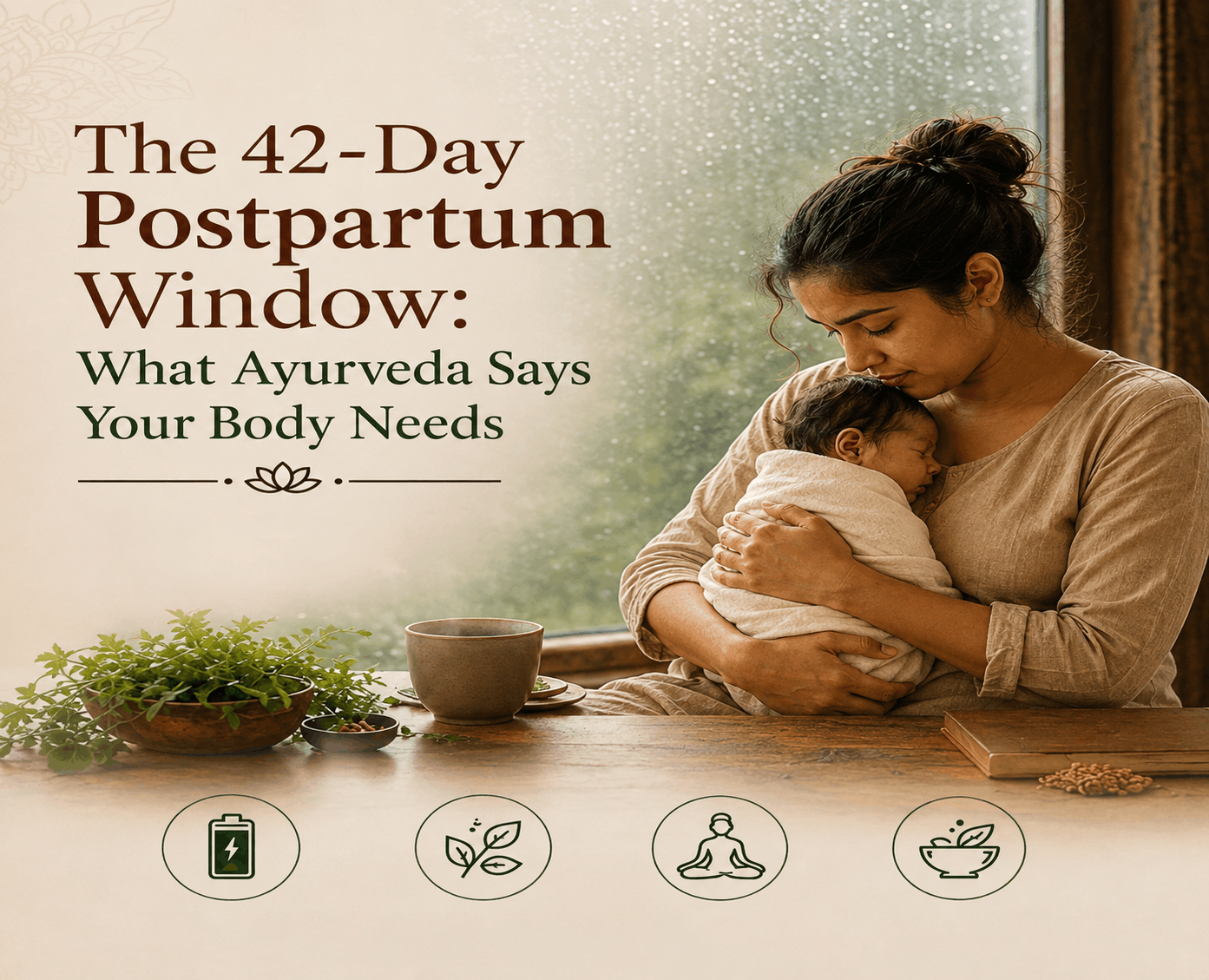
Postpartum care is a 42-day window. The mother’s physical strength and energy are restored to avoid weakness, backache, digestive disturbances, infections, and reproductive disorders. The recovery is completely personal. Factors such as vaginal or caesarean delivery, overall health, complications, and others affect the recovery.
It is a misconception that Ayurvedic treatments replace allopathic medicine. Sutika Paricharya focuses on maternal nourishment, warmth, and rest, while allopathy handles diagnostics, infection control, and acute interventions. In short, both medicines complement each other.
Why the First 42 Days Matter
In this 42-day postpartum recovery, a mother’s body undergoes biological recalibration. This is the time when the uterus shrinks to its normal size; hormone levels shift dramatically, blood volumes become normal, and tissues heal. Lack of proper rest and care can cause long-term health issues like chronic pain or severe mood imbalances.
The healing factors focused on here are physical healing, energy and strength, sleep disruption and fatigue, emotional adjustment, and breastfeeding and nutritional demands.
Physical Healing
Physically, uterine involution, hormonal reset, tissue and wound healing, and pelvic floor recovery happen in six weeks. In involution, the organ reduces from approximately 1 kg to its pre-pregnancy weight. Your emotions can be all over the place, as estrogen and progesterone rapidly plummet. The tissues and wounds, such as Perineal tears, episiotomies, or Cesarean surgical incisions, are protected from strain and infection.
Energy and Strength
Physical healing can influence postpartum energy. For proper physical healing, the mother needs extended rest, warm and nourishing foods, a calm environment, and community support. Proper rest facilitates the healing of the pelvic floor and core muscles. A warm, nourishing diet protects the fragile postpartum digestion. A calm environment stabilises the nervous system and manages stress hormones. Accepting helpful community support saves the mother from early burnout.
Sleep Disruption and Fatigue
Fragmented sleep cycles, hyper-vigilance, and compounding exhaustion. Feeding newborn babies every 2 to 3 hours affects the mother’s circadian rhythm. The hormonal shifts and maternal instincts make mothers’ nervous systems hyper-vigilant, breaking their deep sleep. These broken cycles affect emotional regulation and cognitive function, which lays the biological foundation for anxiety and mood disorders.
Emotional Adjustment
Hormone drop, sleep deprivation, and physical pain are the emotional rollercoaster effects in the first 42 days. Here, mothers need to avoid mood disorders, seek community support, and ensure a smooth identity transition.
Breastfeeding and Nutritional Demands
During these weeks, caloric production will increase, nutrients are transferred, and hydration needs to be increased. A daily loss of 340 to 500 calories for breast milk production creates exhaustion. Through breast milk, the mother transfers antibodies, fats, and vitamins to the baby. Fluid balance influences milk volume and prevents maternal exhaustion.
What Your Body Needs During the 42-Day Window
1. Warm, Nourishing and Easily Digestible Food
This helps renew drained energy, restore digestive strength (Agni), balance hormones, and prevent long-term maternal fatigue. This diet supports rapid tissue repair and repairs the uterus without taxing a sensitive gut.
A soft diet includes kanji, broths, healthy fats like ghee and protein-rich dals. These items require only a small effort for digestion, also prevent bloating and gas, and supply bioavailable amino acids and micronutrients to heal muscle and uterine tissue.
Other advantages include sustained energy production, optimised lactation support, and calming the nervous system.
2. Rest and Gentle Daily Routines
Taking ample rest and doing gentle chores helps with tissue repair, energy conservation, and a nervous system reset. During postpartum care in Ayurveda, lying down or taking less vertical pressure helps heal wounds without strain. When you rest during the day, your body’s limited energy is used for cellular recovery and milk production. A nervous system reset can be achieved only in a quiet, low-stimulus environment. Such an environment reduces cortisol spikes, stabilises moods, and reduces postpartum anxiety.
Following gentle routines daily prevents decision fatigue, builds an intuitive connection with the infant, and gently sets the core and pelvic floor movement before introducing normal movement.
3. Abhyanga and Other Ayurvedic Therapies
Ayurveda after delivery calms the nervous system, repairs depleted tissues, eases muscle aches, and helps physical and emotional healing. Warm, nourishing oils help mothers relax and give relief to joints and back. Warm oils calm the body and erratic nerve impulses. Nourishing oils go deep into the skin layers to tone muscles and support loose ligaments. They also reduce stress hormones, improve sleep quality, and relieve the physical strain of nursing, holding, and carrying the baby.
Abhyanga is one of the Ayurvedic treatments, before choosing it, consider the delivery type you had, your healing status, and overall condition. Based on these results, the Ayurvedic practitioner will recommend the right gentle therapy.
4. Supporting Digestion and Vata Balance
Following a warm diet calms postpartum anxiety, prevents constipation, bloating, and cramping, builds Ojas, and allows the body to channel energy to produce rich breast milk.
A Simple 42-Day Ayurvedic Postpartum Approach
Splitting these 42 days into three ensures that new mothers have a smooth postpartum transition to motherhood.
Days 1–10: Rest & Gentle Nourishment
The primary focus should be on rest, recovery, hydration, and emotional comfort. A warm, soft, and easy diet will help with the delicate digestive system. Refrain from physical straining activities like household chores and give your body time to recover from childbirth by prioritising sleep and support.
Days 11–30: Nourishment & Gradual Strengthening
Expand your diet to a wider variety of nutritious foods based on your tolerance and appetite. Continue your rest, but start with gentle movement, such as short walks. The primary focus here should be on rebuilding energy and supporting digestion. If you want to try any Ayurvedic therapies or herbal preparations, consult a qualified practitioner, taking into account the breastfeeding period and any medications.
Days 31–42: Rebuilding Routine
By this time, you can gradually start doing daily activities that suit your recovery, comfort, and your healthcare provider’s advice. While you gradually establish a healthy routine, continue your nourishing diet, sufficient fluids, rest, and simple self-care practices.
The goal of setting and following a 42-day postpartum recovery plan for mothers is to return to their pre-pregnancy body state and go through a healthy, smooth transition to motherhood.
Conclusion
After nine months of pregnancy, a new mother gets only 42-day postpartum recovery, which is approximately one month and two weeks, for her postpartum recovery. These six weeks are important for the mother to rest, regain strength, and support overall recovery.
The Ayurvedic postnatal care, Sutika Paricharya, focuses on rebuilding the tissues (dhatus), adequate rest, and gradually regaining strength during the Sutika Kala. As mentioned in the introduction, therapy and recovery are personal. It is based on health, comfort, and recovery progress.
So, new mothers, before you opt for Ayurvedic postpartum care, consult a qualified Ayurvedic practitioner to ensure it is safe and appropriate for your postpartum recovery.