

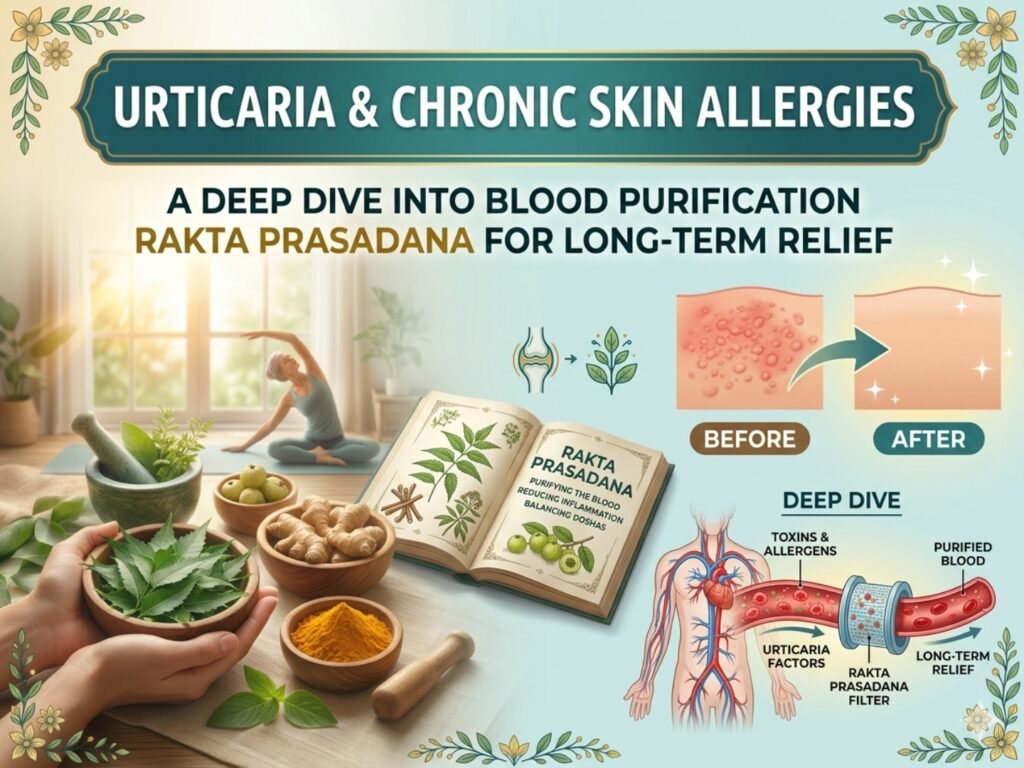
Urticaria and chronic skin allergies can profoundly affect daily life. Blood purification, or Rakta Prasadana, offers a holistic approach to address these issues. This method detoxifies the bloodstream, enhancing skin health by eliminating impurities and improving circulation. Techniques like herbal remedies and dietary changes support the body’s natural balance, targeting underlying causes of skin conditions. Integrating these principles into modern skincare can yield promising results. Further insights await on enhancing skin wellness and managing symptoms effectively.
Understanding Urticaria and Chronic Skin Allergies
Urticaria, commonly known as hives, and chronic skin allergies represent a significant concern for many individuals, particularly due to their impact on quality of life. These conditions often manifest as uncomfortable, itchy welts on the skin, driven by heightened immune responses to various triggers, including allergens, stress, and environmental factors. To effectively navigate these complex conditions, consulting the best Ayurvedic doctor in vijayawada can help in developing innovative therapies that address the root causes rather than merely alleviating symptoms. Advances in immunology and personalized medicine offer promising avenues for more effective management strategies. By focusing on tailored treatments, researchers aim to improve patient outcomes and enhance overall well-being, paving the way for a future where chronic skin conditions can be managed more effectively and with greater precision.
The Concept of Blood Purification (Rakta Prasadana)
Blood purification, or Rakta Prasadana, is a foundational concept in traditional medicine that emphasizes the importance of detoxifying the blood to promote overall health. This innovative approach advocates for the cleansing of impurities and toxins from the bloodstream, which is believed to enhance vigor and restore balance within the body. By targeting the root causes of various ailments, Rakta Prasadana aims to revitalize bodily systems and improve overall well-being. Practitioners propose that such purification methods can lead to a harmonious state, allowing the body’s natural healing processes to function effectively. This perspective encourages a holistic understanding of health, where the quality of blood is directly linked to the body’s ability to combat chronic conditions like urticaria and skin allergies.
Benefits of Blood Purification for Skin Health
Numerous studies highlight the significant benefits of blood purification for enhancing skin health. By effectively removing toxins and impurities from the bloodstream, blood purification plays an essential role in addressing various skin conditions, including urticaria and chronic allergies. Enhanced circulation and improved nutrient delivery to skin cells promote a radiant complexion and accelerate healing processes. Additionally, blood purification can help in regulating inflammatory responses, reducing redness, and minimizing outbreaks. Seeking professional Ayurvedic treatment for skin diseases in Vijayawada allows patients to utilize this holistic approach to not only alleviate symptoms but also address underlying imbalances. As individuals increasingly seek innovative solutions for skin health, blood purification emerges as a promising strategy, harnessing the body’s natural ability to restore balance and energy.
Methodologies of Rakta Prasadana
While exploring alternative approaches to skin health, the methodologies of Rakta Prasadana offer various techniques rooted in traditional practices. These methodologies encompass therapeutic blood-letting, herbal formulations, and dietary modifications designed to enhance the body’s detoxification processes. Techniques such as venesection and leech therapy are employed to remove accumulated toxins, while specific herbs like Neem and Turmeric are integrated for their anti-inflammatory properties. Additionally, purifying diets rich in antioxidants and hydration play a vital role. Each method aims to restore balance within the body, targeting the underlying causes of skin allergies and urticaria. By combining these age-old practices with modern insights, an ayurvedic skin specialist in Vijayawada can help patients find innovative pathways to achieve long-term skin health and overall wellness.
Integrating Blood Purification Into Modern Skincare Routines
How can the principles of blood purification enhance contemporary skincare routines? By integrating ancient practices such as Rakta Prasadana, modern skincare can achieve a holistic approach to skin health. This methodology focuses on detoxifying the blood, which can address underlying issues like inflammation and allergies, crucial in chronic skin conditions. Innovative brands are beginning to incorporate herbal extracts and adaptogenic ingredients known for their blood-purifying properties into their formulations. This synergy targets not just surface symptoms but promotes overall skin vitality. Furthermore, the combination of traditional knowledge with cutting-edge technology allows for the development of personalized skincare regimens that resonate with consumers seeking long-term relief. Consequently, blood purification stands as a transformative element in the evolution of skincare practices.
Frequently Asked Questions
Can Lifestyle Changes Help Manage Urticaria Symptoms?
The potential for lifestyle changes to manage urticaria symptoms has garnered interest among health enthusiasts. Individuals may find success through dietary adjustments, stress reduction techniques, and improved sleep hygiene. Incorporating anti-inflammatory foods, such as fruits and vegetables, while avoiding known allergens can also be beneficial. Additionally, regular exercise may enhance overall well-being. These innovative approaches could empower individuals to take control of their symptoms, fostering a proactive mindset towards health management.
Are There Specific Diets That Reduce Chronic Skin Allergies?
The exploration of specific diets to alleviate chronic skin allergies reveals promising avenues. Research suggests that anti-inflammatory foods, such as omega-3 rich fish, leafy greens, and fruits high in antioxidants, may contribute to symptom reduction. Additionally, eliminating common allergens, like dairy or gluten, has shown potential benefits for some individuals. This dietary approach encourages a personalized plan, allowing for innovative strategies to manage and potentially diminish the impact of chronic skin allergies effectively.
What Are Common Triggers for Urticaria Flare-Ups?
Common triggers for urticaria flare-ups often include allergens such as certain foods, medications, and environmental factors like pollen or pet dander. Stress, temperature changes, and physical exertion can also provoke these skin reactions. Individuals may experience varying sensitivities to these triggers, making it essential for those affected to identify their specific instigators. By understanding these factors, innovative approaches to management and prevention can be developed, enhancing the quality of life for those experiencing urticaria.
How Does Stress Impact Skin Allergies and Urticaria?
Stress greatly influences skin allergies and urticaria by triggering inflammatory responses within the body. When an individual experiences stress, the release of stress hormones can exacerbate existing skin conditions, leading to increased itching and flare-ups. This connection highlights the importance of innovative stress management techniques, such as mindfulness and biofeedback, to alleviate symptoms. By addressing the psychological aspects, individuals may achieve a more holistic approach to managing their skin health effectively.
Are There Any Side Effects of Blood Purification Techniques?
Blood purification techniques, while promising, may present certain side effects. Individuals undergoing such methods can experience symptoms like fatigue, dizziness, or gastrointestinal disturbances. Additionally, allergic reactions may occur in some cases. It is essential to monitor these effects closely, as they can vary based on individual health conditions and the specific technique employed. Therefore, a thorough understanding and dialogue with healthcare providers are vital to mitigate potential risks and enhance treatment efficacy.