


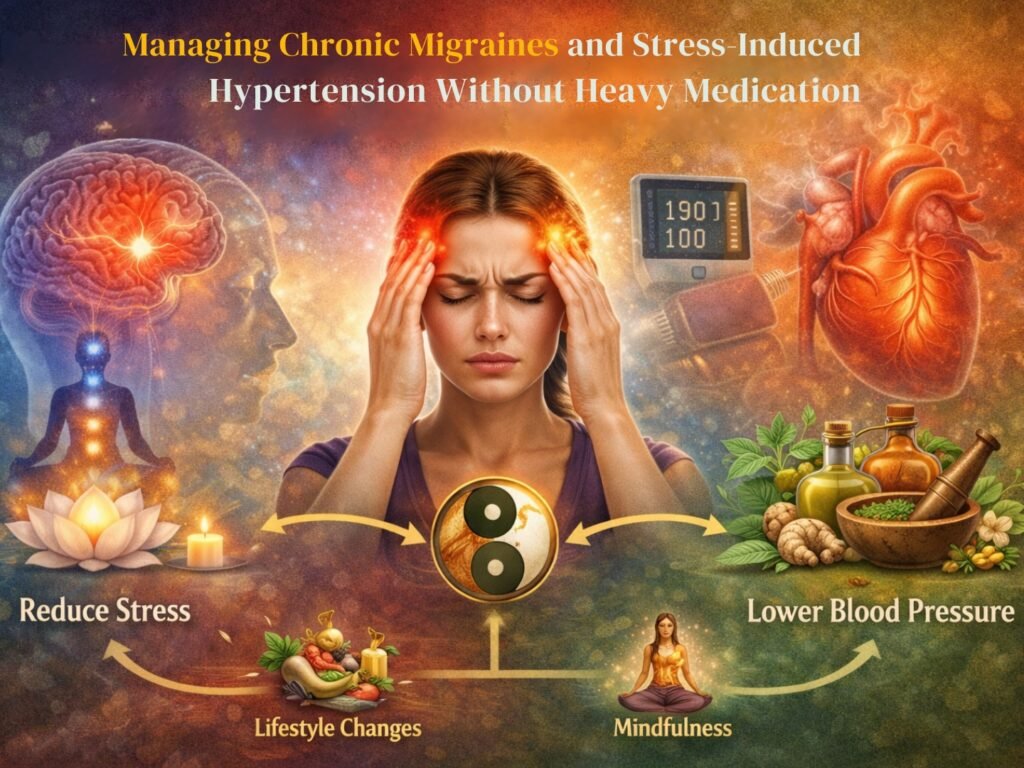
Managing chronic migraines and stress-induced hypertension can be pursued through lifestyle and dietary changes. Identifying triggers empowers individuals to prevent attacks, while stress management techniques like mindfulness meditation and deep breathing exercises enhance emotional resilience. For those living in coastal Andhra Pradesh, consulting an Ayurvedic hospital in vizag can provide a structured, holistic environment for implementing these changes under expert supervision. A diet rich in magnesium and omega-3 fatty acids supports vascular health, and regular exercise promotes cardiovascular stability while relieving migraine symptoms. Natural remedies and alternative therapies can also play a vital role in this health journey.
Understanding the Triggers of Chronic Migraines and Hypertension
While both chronic migraines and hypertension can considerably impact an individual’s quality of life, understanding their triggers is essential for effective management. Chronic migraines may be provoked by environmental factors, dietary choices, hormonal fluctuations, and stress. Identifying these triggers allows individuals to adopt proactive strategies for prevention. Similarly, hypertension often correlates with lifestyle factors such as diet, physical inactivity, and stress levels. Innovations in wearable technology can now track physiological responses, enabling real-time monitoring of both conditions. By recognizing patterns and correlations, patients can make informed adjustments to their daily routines, enhancing their overall health and taking charge of their wellness journey without solely relying on heavy medication.
Implementing Effective Stress Management Techniques
Stress management techniques play an essential role in mitigating the effects of chronic migraines and hypertension. Innovative approaches such as mindfulness meditation, biofeedback, and progressive muscle relaxation have gained traction for their efficacy in reducing stress levels. For residents seeking localized care, specialized ayurvedic treatment for stress and anxiety in Vizag offers traditional therapies like Shirodhara to calm the nervous system. Mindfulness practices cultivate present-moment awareness, fostering emotional resilience, while biofeedback empowers individuals to gain control over physiological functions. Additionally, incorporating regular physical activity, such as yoga or tai chi, can enhance relaxation and improve overall well-being. Breathing exercises, focusing on deep, rhythmic inhalation, also serve to lower stress responses and minimize reliance on heavy medication.
Dietary Modifications to Alleviate Symptoms
Dietary modifications can significantly impact the management of chronic migraines and hypertension, as certain foods and nutrients either exacerbate or alleviate symptoms. Incorporating magnesium-rich foods, such as leafy greens, nuts, and seeds, may provide relief from migraines by promoting vascular health. In addition, omega-3 fatty acids found in fish can help reduce inflammation, potentially mitigating both migraines and blood pressure levels. Hydration plays an essential role; drinking adequate water can prevent dehydration-induced headaches. Moreover, a diet low in processed sugars and high in whole foods encourages stable blood sugar levels, reducing triggers for migraines. Experimenting with elimination diets may also reveal specific food sensitivities that contribute to symptoms, paving the way for personalized dietary strategies.
The Role of Exercise in Managing Chronic Migraines and Hypertension
Engaging in regular exercise can play an essential role in managing chronic migraines and hypertension, as physical activity promotes overall cardiovascular health and can contribute to migraine relief. Innovative approaches to exercise, such as incorporating mindfulness practices like yoga or tai chi, may yield additional benefits by reducing stress and tension. Aerobic activities, including brisk walking or cycling, enhance blood circulation and may lower blood pressure, which is vital for individuals with hypertension. Furthermore, strength training can bolster muscle resilience, potentially mitigating headache triggers. By fostering a balanced exercise regimen, individuals can empower themselves in their holistic management of these conditions, embracing a proactive stance towards their health.
Exploring Natural Remedies and Alternative Therapies
As individuals seek relief from chronic migraines and hypertension, exploring natural remedies and alternative therapies can provide valuable options beyond conventional treatments. For those suffering from persistent headaches, choosing Ayurvedic treatment for Migraine in Vizag allows for a combination of herbal medicine and detoxification procedures like Nasya. Innovative approaches such as acupuncture, which targets specific pressure points, have shown promise in alleviating migraine discomfort. Herbal supplements like feverfew and butterbur may offer preventive benefits, while mindfulness practices, including yoga and meditation, can reduce stress levels that exacerbate hypertension. Additionally, dietary modifications, such as increasing omega-3 fatty acids and antioxidants, can support overall vascular health and encourage a holistic understanding of these conditions.
Frequently Asked Questions
Can Chronic Migraines and Hypertension Be Hereditary?
Chronic migraines and hypertension exhibit a potential hereditary component, as genetic factors can influence their development. Studies suggest that individuals with a family history of these conditions may be at higher risk. Additionally, shared environmental factors and lifestyle choices can also contribute to their prevalence. Understanding the genetic links may pave the way for innovative approaches in prevention and treatment.
How Long Does It Take to See Improvements With Lifestyle Changes?
The duration for observing improvements from lifestyle changes can vary greatly among individuals. Typically, noticeable benefits may emerge within a few weeks to several months, depending on the extent of the changes and individual responses. Factors such as consistency, adherence to new habits, and personal health conditions play vital roles in this timeline.
Are There Specific Foods to Avoid for Chronic Migraines?
Certain foods have been identified as potential triggers for chronic migraines. Common culprits include aged cheeses, processed meats, and foods containing additives like MSG. Additionally, caffeine and alcohol may exacerbate symptoms. By avoiding these specific foods and emphasizing a diet rich in whole foods and hydration, individuals may experience a reduction in migraine frequency and intensity.
Can Stress Management Techniques Be Harmful?
Stress management techniques, while generally beneficial, can occasionally have adverse effects. For instance, some individuals may find certain methods, such as aggressive breathing exercises or high-intensity yoga, exacerbate anxiety rather than alleviate it. Consequently, it is essential for individuals to tailor stress management approaches to their unique needs and preferences.
Is It Safe to Combine Natural Remedies With Prescribed Medication?
The safety of combining natural remedies with prescribed medication remains a nuanced topic. While many individuals seek innovative approaches to enhance their health, potential interactions can occur. It is essential for individuals to consult with healthcare professionals before integrating natural remedies into their treatment plans to ensure a thorough understanding of both the benefits and risks.