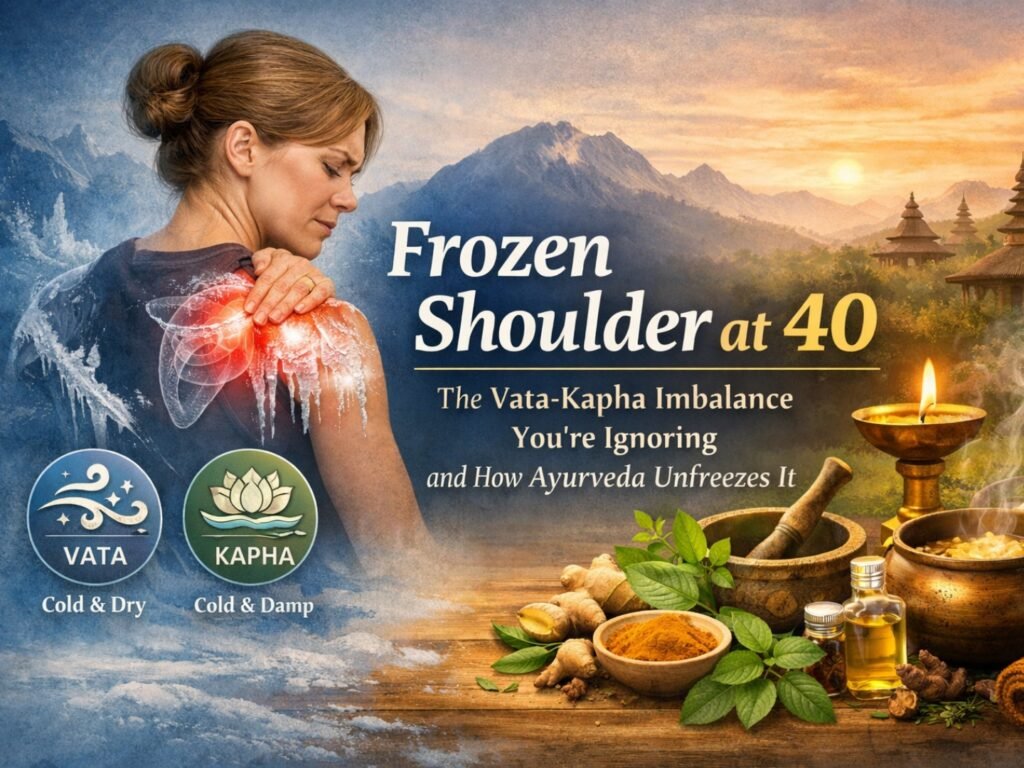



Frozen shoulder, or adhesive capsulitis, can worsen during winter, leading to increased stiffness and pain. Ayurvedic therapies offer effective remedies. Herbal formulations like guggulu and turmeric help reduce inflammation. Hot oil massages with sesame or eucalyptus oil stimulate circulation, while warm compresses with ginger ease stiffness. Lifestyle changes, such as a balanced diet and gentle exercise, further support recovery. Embracing these holistic approaches can considerably enhance mobility and comfort during this challenging season, and more insights await further exploration.
Understanding Frozen Shoulder and Its Symptoms
Frozen shoulder, medically known as adhesive capsulitis, is a condition characterized by stiffness and pain in the shoulder joint. This ailment typically progresses through three distinct phases: freezing, frozen, and thawing. During the freezing stage, individuals experience gradual pain and a decrease in shoulder mobility. As the condition advances to the frozen stage, pain may diminish, but stiffness intensifies, markedly restricting movement. Eventually, in the thawing phase, mobility begins to improve. Symptoms often include difficulty performing daily tasks, such as reaching overhead or behind the back. Understanding these phases is essential for developing targeted interventions that promote healing and restore functionality. Innovative therapeutic approaches can offer hope to those grappling with this debilitating condition, enhancing their quality of life.
Ayurvedic Remedies for Pain Relief and Mobility
Numerous Ayurvedic remedies can effectively alleviate pain and enhance mobility for individuals suffering from frozen shoulder. Herbal formulations, such as a blend of guggulu and turmeric, are known for their anti-inflammatory properties, promoting joint flexibility and reducing discomfort. Hot oil massages using sesame or eucalyptus oil can stimulate blood flow, providing relief while enhancing range of motion. Additionally, the application of warm compresses infused with ginger and fenugreek can further ease stiffness. Incorporating practices like yoga and pranayama into daily routines fosters holistic healing and encourages gradual recovery. These innovative approaches not only address the immediate symptoms but also contribute to long-term joint health, making them essential components of an Ayurvedic strategy for managing frozen shoulder.
Lifestyle Changes to Support Recovery and Well-Being
While pursuing recovery from frozen shoulder, individuals can greatly benefit from implementing specific lifestyle changes that promote overall well-being. Embracing a balanced diet rich in anti-inflammatory foods, such as turmeric and ginger, can enhance healing. Regular, gentle exercise—especially yoga and stretching—supports mobility and flexibility. Mindfulness practices, including meditation and deep-breathing exercises, can reduce stress, which often exacerbates pain. Ensuring adequate sleep and hydration is essential for overall recovery. Additionally, incorporating ergonomic adjustments in daily routines can prevent strain, facilitating a smoother healing process. By fostering a holistic approach that intertwines physical, emotional, and nutritional health, individuals can create an environment conducive to recovery, ultimately enhancing their quality of life during this challenging period. If you are seeking specialized care, finding the best Ayurvedic doctor in vizag is a valuable option.
Frequently Asked Questions
Can Frozen Shoulder Occur Suddenly or Gradually?
Frozen shoulder can manifest in both sudden and gradual ways. In some cases, individuals may experience an abrupt onset of pain and stiffness, while others might notice a slow progression of symptoms over time. Factors such as injury, prolonged immobility, or underlying health conditions can contribute to this variability. Understanding the nature of onset is essential for effective diagnosis and treatment, enabling tailored approaches that can enhance mobility and alleviate discomfort.
What Are the Common Causes of Frozen Shoulder?
Frozen shoulder commonly arises from factors such as prolonged immobility, injury, or underlying medical conditions like diabetes and thyroid disorders. Age and gender also play roles, with individuals aged 40 to 60, particularly women, being more susceptible. Additionally, inflammation and scar tissue formation contribute to the condition’s development. Understanding these causes can pave the way for innovative treatment approaches, enhancing recovery and restoring mobility effectively.
How Long Does Recovery From Frozen Shoulder Typically Take?
Recovery from frozen shoulder typically spans several months, often ranging from six months to two years. Individual experiences vary, influenced by factors such as age, severity, and adherence to treatment. While some may regain mobility within a few weeks, others face prolonged discomfort. Innovative therapies, including physical rehabilitation and alternative approaches, can expedite recovery, highlighting the importance of personalized care strategies to enhance outcomes and restore functional movement effectively. For specialized treatment focusing on the condition, you can explore ayurvedic treatment for frozen shoulder pain in MVP Colony.
Are There Any Specific Dietary Restrictions During Treatment?
In addressing dietary restrictions during treatment, it is essential to take into account individual health needs and conditions. A balanced diet rich in anti-inflammatory foods can promote healing. Some practitioners suggest avoiding processed foods, excessive sugar, and dairy, as these may exacerbate inflammation. Incorporating whole grains, fruits, vegetables, and healthy fats is often recommended to support overall well-being. Ultimately, personalized dietary guidance should be sought to align with specific treatment goals and individual responses.
When Should I Seek Professional Medical Help for Frozen Shoulder?
When considering the timeline for seeking professional medical help for a condition like frozen shoulder, individuals should be vigilant. Persistent pain lasting more than a few weeks, significant limitations in shoulder mobility, or worsening symptoms despite at-home treatments warrant a consultation. Early intervention can prevent further complications and facilitate a more effective recovery. Engaging with a healthcare professional guarantees access to innovative therapies tailored to individual needs, enhancing overall well-being. A product like the best roll on pain relief can offer temporary, localized comfort.